
Radiofrequency RF Microneedling: A Provider’s Guide
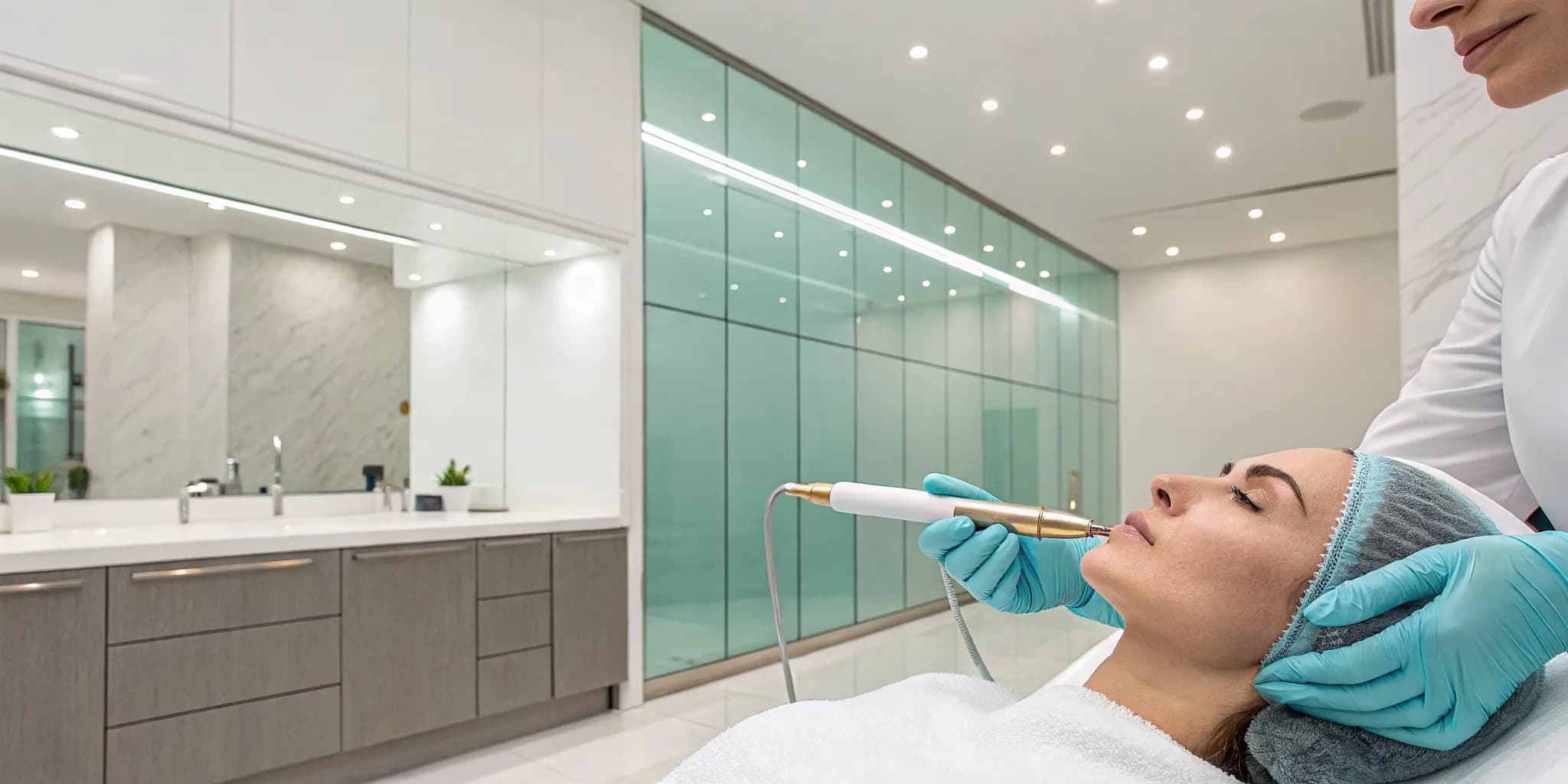
You are likely already familiar with the powerful results of traditional microneedling for improving skin texture and stimulating collagen. But what if you could take that foundational treatment and add a new dimension of skin tightening and remodeling? That’s the power of radiofrequency RF microneedling. By delivering controlled thermal energy deep into the dermis as the needles create micro-channels, this advanced modality offers a more robust and comprehensive approach to skin rejuvenation. It’s the logical next step for any practice looking to provide superior outcomes for skin laxity, wrinkles, and scarring. Here, we’ll explore the science behind this synergy and why it’s becoming a cornerstone of modern aesthetic care.
Key Takeaways
- Dual-action technology delivers superior results: RF microneedling enhances standard microneedling by adding radiofrequency energy, which heats the dermis to tighten skin and stimulate a more robust collagen response for comprehensive rejuvenation.
- Treat a wide range of concerns with one device: This versatile treatment effectively addresses fine lines, acne scars, skin laxity, and poor texture on the face and body, making it a highly valuable and profitable addition to your service menu.
- Patient safety and success depend on quality and training: Achieving consistent, safe outcomes requires a reliable device and thorough staff training; partnering with a company that provides both is crucial for protecting your clients and your practice’s reputation.
What Is RF Microneedling?
Radiofrequency (RF) microneedling is an advanced aesthetic treatment that pairs two effective modalities: microneedling and radiofrequency energy. You’re likely already familiar with traditional microneedling, a procedure that uses fine, sterile needles to create controlled micro-injuries in the skin. This process stimulates the body’s natural healing response, prompting the production of new collagen and elastin to repair the skin from within.
RF microneedling takes this a step further. As the needles penetrate the skin, they also deliver radiofrequency energy deep into the dermis. This thermal energy gently heats the underlying tissue, causing existing collagen fibers to contract and tighten while further stimulating new collagen growth. By combining the physical stimulation of microneedling with the thermal energy of radiofrequency, the treatment offers a powerful, dual-action approach to skin rejuvenation. It effectively addresses concerns like skin laxity, fine lines, wrinkles, and scarring with more comprehensive results than either treatment could achieve on its own.
How RF Energy and Microneedling Work Together
The synergy between microneedling and radiofrequency is what makes this treatment so effective. The microneedles act as a delivery system, creating precise channels that allow the RF energy to bypass the outermost layer of skin and reach the deeper dermal layers where it can make the most impact. This targeted approach ensures the heat is delivered exactly where it’s needed to trigger significant collagen remodeling and tissue tightening.
This combination offers a distinct advantage over other treatments. According to research on radiofrequency microneedling technology, adding RF energy enhances the healing process and provides superior skin tightening. Because the energy is delivered below the surface, the epidermis is protected, which often means less redness and a lower risk of pigmentary changes compared to some ablative laser treatments. This makes it a safer option for a wider range of skin tones.
RF Microneedling vs. Traditional Microneedling
While both treatments are excellent for collagen induction, the primary difference lies in the addition of thermal energy. Traditional microneedling works by creating mechanical micro-injuries to improve skin texture and reduce the appearance of scars and fine lines. Its effects are mainly concentrated on stimulating collagen production closer to the skin’s surface.
RF microneedling, on the other hand, adds a new dimension: skin tightening. The radiofrequency energy generates heat that causes immediate contraction of collagen fibers and stimulates a more robust, long-term healing response. This results in more noticeable skin tightening and contouring effects. Think of it as the difference between resurfacing the skin and truly remodeling it from the inside out. For patients whose primary concerns include sagging or skin laxity, RF microneedling offers a clear advantage.
What Can RF Microneedling Treat?
One of the most compelling reasons to add RF microneedling to your practice is its incredible versatility. This single treatment can address a wide spectrum of patient concerns, from signs of aging to textural irregularities and scarring. For your clients, this means they can achieve significant improvements without needing a complex combination of different procedures. For your practice, it means you have a powerful, in-demand tool that delivers consistent results and a strong return on investment.
The dual-action approach of creating micro-injuries while delivering radiofrequency energy allows you to treat issues at both the skin’s surface and in the deeper dermal layers. This makes it a go-to solution for many of the common complaints you hear from patients every day. Whether a client is concerned about the first signs of aging or wants to finally address stubborn acne scars from their youth, RF microneedling offers a safe and effective path to healthier, revitalized skin. This adaptability allows you to serve a broader patient base and create customized treatment plans that truly meet their individual needs.
Smoothing Fine Lines and Tightening Skin
For patients concerned with aging skin, RF microneedling is a game-changer. The treatment is highly effective at reducing the appearance of fine lines and wrinkles, particularly on the face and neck. By stimulating a powerful collagen and elastin response, it helps restore the skin’s underlying support structure. This process results in firmer, tighter skin and a visible softening of wrinkles.
Unlike some treatments that only address the surface, the radiofrequency energy heats the deeper layers of the skin, triggering a more robust and lasting regenerative effect. As a provider, you can explain to patients that this isn’t just a temporary fix; it’s a way to rebuild the skin’s foundation for a naturally youthful appearance.
Reducing Acne Scars and Pore Size
Many patients come to aesthetic practices seeking solutions for acne scars, which can be a significant source of self-consciousness. RF microneedling is an excellent modality for this concern. The microneedles break up tough scar tissue, while the RF energy promotes deep collagen remodeling. This helps to fill in atrophic (depressed) scars and create a smoother, more even skin surface.
The treatment also helps minimize the appearance of enlarged pores. By tightening the surrounding skin and stimulating collagen production within the pore walls, RF microneedling can make them appear smaller and less noticeable. This dual benefit makes it a comprehensive solution for patients looking to improve their skin’s overall texture and clarity after dealing with acne.
Improving Skin Texture and Stretch Marks
Beyond fine lines and acne scars, RF microneedling is fantastic for improving overall skin texture. Patients with rough, dull, or uneven skin can see a significant difference as the treatment encourages cellular turnover and builds new, healthy tissue. The result is skin that feels softer and looks more radiant and uniform in tone.
This treatment also shows promising results for stretch marks (striae) on the body. These marks form when the skin’s connective tissue is stretched beyond its capacity, and they are notoriously difficult to treat. By delivering targeted energy deep into the dermis, RF microneedling can stimulate collagen and elastin production within the stretch marks, helping to improve their texture and reduce their visibility over time.
Treating the Face and Body
The benefits of RF microneedling aren’t limited to the face. This versatile treatment can be safely and effectively used on many areas of the body, allowing you to offer comprehensive solutions to your patients. Common treatment areas include the neck and décolleté for skin laxity and sun damage, the abdomen and thighs for stretch marks, and the arms for crepey skin.
This flexibility means you can create holistic treatment plans that address a patient’s concerns from head to toe. Having a single, effective device that can treat multiple areas makes it a valuable asset for any practice looking to expand its service offerings. It positions you as a one-stop solution for your patients’ aesthetic needs, backed by advanced aesthetic technologies.
Key Benefits of RF Microneedling
When your patients ask what makes RF microneedling so effective, you can point to a few key advantages. This treatment stands out not just for the results it delivers, but also for its safety and convenience. Understanding these benefits will help you communicate its value and integrate it seamlessly into your practice, leading to higher patient satisfaction and a stronger bottom line. Here’s a closer look at what makes this technology a valuable addition to any aesthetic service menu.
Stimulate New Collagen and Elastin
At its core, RF microneedling is a collagen induction therapy. The treatment uses fine needles to create controlled micro-injuries in the skin, which triggers the body’s natural healing cascade. What makes this process so powerful is the addition of radiofrequency energy, which is delivered deep into the dermis. This gentle heating action accelerates cell turnover and, most importantly, stimulates the production of new collagen and elastin. By prompting the skin to rebuild its own support structure, you can help your patients achieve firmer, smoother, and more youthful-looking skin from the inside out. This fundamental approach is what makes microneedling a cornerstone of modern aesthetics.
Treat a Wide Range of Skin Types Safely
One of the most significant advantages of RF microneedling is its impressive safety profile across various skin types and tones. Unlike some laser treatments that target pigment and can pose risks for patients with more melanin, RF energy bypasses the epidermis and targets the deeper dermal layers. This minimizes the risk of post-inflammatory hyperpigmentation, making it a reliable option for a diverse patient base. You can confidently offer this treatment to more of your clients, knowing the side effects are typically mild and temporary, such as redness and minor swelling. Offering versatile and safe aesthetic technologies is key to building a practice that serves everyone.
Achieve Lasting Results with Minimal Downtime
Today’s patients are looking for effective treatments that fit into their busy lives. RF microneedling delivers on both fronts. Most people can return to their normal activities within 24 to 48 hours, making it a true “weekend” procedure. While patients may notice initial improvements within a few weeks, the real magic happens over time. As new collagen and elastin form, results become more apparent over the next three to six months. This gradual, natural-looking improvement leads to lasting results that patients love. When you partner with a company that supports your practice, you can help your patients achieve these incredible outcomes with confidence. We are committed to being that partner for you.
What to Expect During an RF Microneedling Treatment
Walking your patients through the RF microneedling process from start to finish is one of the best ways to build trust and ensure a great experience. When clients know what’s coming, they feel more comfortable and confident in your care. Clear communication about preparation, the treatment itself, and the number of sessions required will set the stage for a successful outcome and a happy, loyal client. Let’s break down what you can share with your patients at each step.
Preparing for the Procedure
Proper preparation is key for a safe and effective treatment. Advise your patients to avoid direct sun exposure for at least two to four weeks before their appointment. Daily use of a broad-spectrum sunscreen with SPF 30 or higher is a must. You should also instruct them to stop using potent topicals like retinoids, vitamin C serums, and acids (glycolic, salicylic) about a week prior to their session to prevent skin sensitivity. Following these pre-procedure guidelines helps minimize the risk of adverse reactions and prepares the skin for optimal results. This simple prep work ensures the skin is in the best possible condition for the treatment.
What Happens During the Appointment
During the session, a specialized microneedling device creates tiny, controlled micro-injuries in the skin. This process triggers the body’s natural healing response, prompting new collagen and elastin production. Simultaneously, the device delivers radiofrequency energy deep into the dermis, which gently heats the tissue and further enhances this regenerative process. You can explain the sensation to patients as a light vibration or a mild scratching feeling. Most people tolerate the treatment very well, especially with a topical numbing cream applied beforehand. The entire appointment is relatively quick, making it a convenient option for many clients.
Determining the Right Number of Sessions
Setting realistic expectations for the treatment timeline is crucial. While many patients notice improvements after just one or two sessions, a series of treatments is usually needed for the best, most lasting results. For general skin rejuvenation, fine lines, and texture, a course of three to four treatments spaced four to six weeks apart is a great starting point. For more significant concerns like acne scars, you might recommend three to six sessions. The improvements will continue to develop for up to six months after the final treatment as new collagen forms, giving your patients results that are truly worth the wait.
Guide Your Patients Through Aftercare
Clear aftercare instructions are just as important as the treatment itself. When patients know what to expect and how to care for their skin, they feel more confident in the process and are happier with their results. Setting them up for a smooth recovery builds trust and ensures the best possible outcome. Your guidance helps protect their investment and your hard work, turning a great treatment into a fantastic long-term result. Here’s how you can walk your patients through the essential aftercare steps.
The First 48 Hours Post-Treatment
Let your patients know that some redness and mild swelling are completely normal, typically lasting between 24 and 72 hours. This is a sign that the skin’s natural healing process has begun. The intensity of these effects can depend on the treatment depth and the specific device used, but it’s rarely something that requires significant downtime. Reassure them that they won’t need to hide out for weeks. For the first day or two, they should treat their skin gently, using only a mild cleanser and a simple, hydrating moisturizer. This initial period is all about letting the skin rest and recover without interference. Our CytoPen® microneedling devices are designed for precision, helping to make this recovery phase as predictable and manageable as possible for your patients.
Which Skincare Products to Pause
To prevent irritation and support healing, advise patients to take a temporary break from their more potent skincare products. For about a week following their RF microneedling session, they should avoid active ingredients like retinoids (retinol, tretinoin), vitamin C, and exfoliating acids such as glycolic and salicylic acid. These ingredients are fantastic for routine skincare but can be too harsh for skin that is actively healing. Instead, recommend a simple routine focused on gentle, hydrating, and restorative products. Systems like our StemFacial® are specifically formulated to support the skin post-procedure, providing growth factors and cytokines that aid in the rejuvenation process without causing irritation. This ensures the new collagen has a calm environment to develop in.
Stressing Sun Protection and Hydration
This is a non-negotiable part of aftercare. Emphasize to your patients that their skin will be extra sensitive to the sun after treatment. Unprotected sun exposure can lead to hyperpigmentation and can undermine the results of the procedure. They should apply a broad-spectrum mineral-based sunscreen immediately after their appointment and reapply it diligently every day. It’s also wise to avoid direct sun exposure for at least two weeks. Alongside sun protection, hydration is key. Encourage them to drink plenty of water and use a gentle, non-oily moisturizer to keep the skin barrier supported. Providing clear, printed aftercare sheets can be a huge help, and our marketing support can help you create professional patient resources.
Resuming a Normal Skincare Routine
Once the initial healing phase is over, usually after five to seven days, patients can begin to reintroduce their regular skincare products. Advise them to do this gradually. Instead of starting all their active ingredients at once, they should add them back one at a time every few days. This allows them to monitor how their skin responds and ensures it doesn’t become overwhelmed. Sunscreen remains a daily essential, even after they’ve resumed their full routine. If any irritation occurs, they should pull back and stick to a gentle regimen for a few more days before trying again. Your role as their trusted provider is crucial here, and our experienced team is always here to support your practice in delivering that expert guidance.
Setting Realistic Expectations for Results
One of the most important parts of a successful consultation is managing your client’s expectations. When patients understand the treatment timeline and what to anticipate, they feel more confident and are ultimately happier with their outcomes. Clearly communicating what RF microneedling can and cannot do builds trust and sets the foundation for a long-term relationship. Use your expertise to guide them through the process, from the initial changes they’ll see to the long-term maintenance that keeps their skin glowing.
Explaining the Timeline for Results
Patients are always excited to see results, and it’s helpful to give them a clear timeline. While some initial skin tightening is often visible shortly after the procedure, the most significant changes appear over time. Explain to your clients that the radiofrequency energy and microneedles are kickstarting a natural healing process. The full collagen remodeling takes about three to six months to complete. This gradual process is what creates such natural-looking improvements, as the skin rebuilds itself from within. This is when they will notice the most dramatic improvements in skin texture, firmness, and the reduction of fine lines and scars. Setting this expectation helps them appreciate the subtle, early changes while looking forward to the final result.
How Long Do the Results Last?
After investing in a series of treatments, clients will want to know how long they can enjoy their rejuvenated skin. Generally, the results from an RF microneedling series can last one to two years. The new collagen and elastin fibers provide lasting structure and support. However, it’s important to note that lifestyle, age, and sun exposure can influence longevity. To maintain these benefits and protect their investment, you can recommend a touch-up treatment once a year. This proactive approach helps sustain their results and can be an excellent way to build a recurring revenue stream for your practice, positioning you as a long-term partner in their skin health journey.
Address Common Misconceptions
Misinformation can create unnecessary anxiety for patients. Addressing common myths head-on during the consultation will put them at ease.
- Myth: The treatment is extremely painful. Fact: With a topical anesthetic applied beforehand, most patients report that the procedure is well-tolerated. They may feel a light pressure and a warming sensation, but it’s not typically described as painful.
- Myth: You’ll have weeks of downtime. Fact: Most people experience mild redness and some swelling for only 24 to 72 hours, similar to a mild sunburn. This allows them to return to their normal activities quickly.
- Myth: RF microneedling thins the skin. Fact: The opposite is true. The treatment stimulates collagen and elastin production, which strengthens and thickens the skin’s support structure over time.
Understand the Potential Side Effects and Risks
Like any aesthetic procedure, RF microneedling comes with potential side effects and risks. Being transparent with your patients and conducting a thorough consultation is key to ensuring a safe experience and managing their expectations. When you can clearly explain what to expect and properly screen candidates, you build trust and set the stage for fantastic results. Let’s walk through the common side effects, the more significant risks to be aware of, and how to identify patients who may not be right for this treatment.
Common and Temporary Side Effects
Most patients find RF microneedling to be a very manageable treatment. The most common side effects are mild and resolve on their own. You can prepare your patients for some temporary redness and swelling in the treated area, which usually subsides within a few hours to a few days. Some mild pain or discomfort during the procedure is also normal, but this is easily managed with a topical numbing cream applied beforehand. Bruising is another possibility, especially in more delicate areas. Reassuring your patients that these reactions are a normal part of the skin’s healing process helps them feel confident and comfortable post-treatment.
Important Contraindications and Risks
While rare, more serious complications can occur, which is why proper training and technique are so important. The FDA has highlighted potential risks associated with RF microneedling, including burns, scarring, and changes in skin pigmentation. In some reported cases, issues like fat loss and nerve damage have occurred, sometimes requiring further medical intervention. These adverse events often happen when the treatment is performed incorrectly or on a patient who was not a suitable candidate. Using a high-quality device and understanding the technology inside and out is your best defense against these outcomes, protecting both your patients and your practice.
Identify Which Patients Are Not Ideal Candidates
A successful outcome starts with selecting the right patient. RF microneedling is not a one-size-fits-all solution, and it’s crucial to screen for contraindications. Patients with active skin infections, a history of poor wound healing, or serious skin conditions like eczema or psoriasis in the treatment area should avoid the procedure. You should also postpone treatment for anyone with an active cold sore outbreak. Using advanced skin imaging systems can help you get a clearer picture of a patient’s underlying skin health during the consultation. By carefully selecting candidates, you ensure greater safety and help your patients achieve the best possible results.
Is RF Microneedling a Fit for Your Practice?
Deciding to add a new service is a big step, and you want to be sure it’s a smart investment for your clients and your bottom line. RF microneedling is a powerful treatment that delivers impressive skin rejuvenation, making it a highly sought-after procedure. By combining the collagen-stimulating effects of microneedling with skin-tightening radiofrequency energy, it addresses many of the top concerns your clients have, from fine lines and wrinkles to acne scars and poor texture. If you’re looking to expand your offerings with a treatment that gets real results and keeps clients coming back, RF microneedling is definitely worth considering. It’s an effective way to meet growing patient demand and solidify your practice as a leader in advanced aesthetic solutions.
Add RF Microneedling to Your Service Menu
If you’ve noticed the buzz around RF microneedling, there’s a good reason for it. This treatment is quickly becoming a patient favorite because it effectively combines two proven modalities, microneedling and radiofrequency energy, into one session. It’s a fantastic option for clients seeking to smooth wrinkles, tighten lax skin, and improve their overall complexion without significant downtime. Adding RF microneedling to your service menu allows you to attract a wider range of clients who are looking for the latest, most effective treatments. By offering advanced microneedling technology, you can provide solutions for everything from facial rejuvenation to scar revision, making it a versatile and profitable addition to your practice.
The Importance of Device Quality and Training
Great results and patient safety start with two things: a high-quality device and excellent training. Most complications with RF microneedling are due to user error, which makes comprehensive training for your staff an absolute must. When your team is confident and skilled, they can perform treatments safely and effectively, leading to happier patients and better outcomes. Your trained nurse practitioners, physician assistants, and other qualified staff can all perform this procedure beautifully under medical supervision. Partnering with a company that provides not just a reliable device but also in-depth training is key. Our experienced team is here to ensure your staff has the knowledge and hands-on practice needed to master the technique from day one.
Partner with Emage for Devices, Training, and Support
Choosing the right partner is just as important as choosing the right treatment to offer. When you work with Emage Medical, you get more than just a piece of equipment; you get a complete support system designed for your practice’s success. We provide state-of-the-art aesthetic devices and the comprehensive training required to use them with confidence. But our partnership doesn’t stop there. We offer ongoing guidance and robust marketing support to help you introduce RF microneedling to your clients and grow your revenue. We’re committed to helping you build a thriving practice by providing the tools, education, and support you need to deliver exceptional client experiences every step of the way.
Frequently Asked Questions
How does RF microneedling compare to traditional microneedling from a business perspective? From a practice standpoint, RF microneedling allows you to address a more advanced set of client concerns, specifically skin laxity and deeper wrinkles. Because it offers more significant tightening benefits, you can often position it as a premium service. This attracts clients who are looking for more transformative results than traditional microneedling can provide, which can lead to a stronger return on your investment and broaden your service menu’s appeal.
Is RF microneedling truly a safe option for all skin tones in my practice? Yes, this is one of its most significant advantages. Many laser treatments carry a risk of pigmentary changes for patients with higher melanin levels because the energy targets the skin’s surface. RF microneedling is different; the insulated needles deliver radiofrequency energy directly into the deeper dermal layers, protecting the epidermis. This targeted approach greatly reduces the risk of post-inflammatory hyperpigmentation, making it a reliable and effective treatment for a diverse patient population.
My staff is skilled, but how much training is really needed to add this service? Even for experienced staff, proper training is essential for safety and achieving consistent results. Most complications arise from user error, not the technology itself. A quality device partner will provide comprehensive, hands-on training that covers everything from patient selection to specific techniques for different concerns and treatment areas. This ensures your team can perform the procedure with confidence and precision right from the start, protecting both your clients and your practice’s reputation.
What is the best way to manage patient expectations to ensure they are happy with their results? The key is clear communication from the very first consultation. Explain that while some initial tightening might be visible, the true results from collagen remodeling will appear gradually over three to six months. It is also important to be upfront about the need for a series of treatments for the best outcome. Providing detailed aftercare instructions and explaining the “why” behind them (like avoiding sun exposure) empowers patients and helps them feel like active partners in their treatment journey.
With so many RF microneedling devices available, what should I look for when choosing one? When evaluating devices, look beyond the initial price tag. Consider the quality and precision of the energy delivery system, as this directly impacts safety and the consistency of your results. You should also assess the support system that comes with the device. A true partner will offer in-depth training, ongoing clinical support, and even marketing assistance to help you successfully integrate the new service into your practice. The reliability of the device and the support behind it are what truly create long-term value.