
PRP Microneedling: A Guide for Your Practice
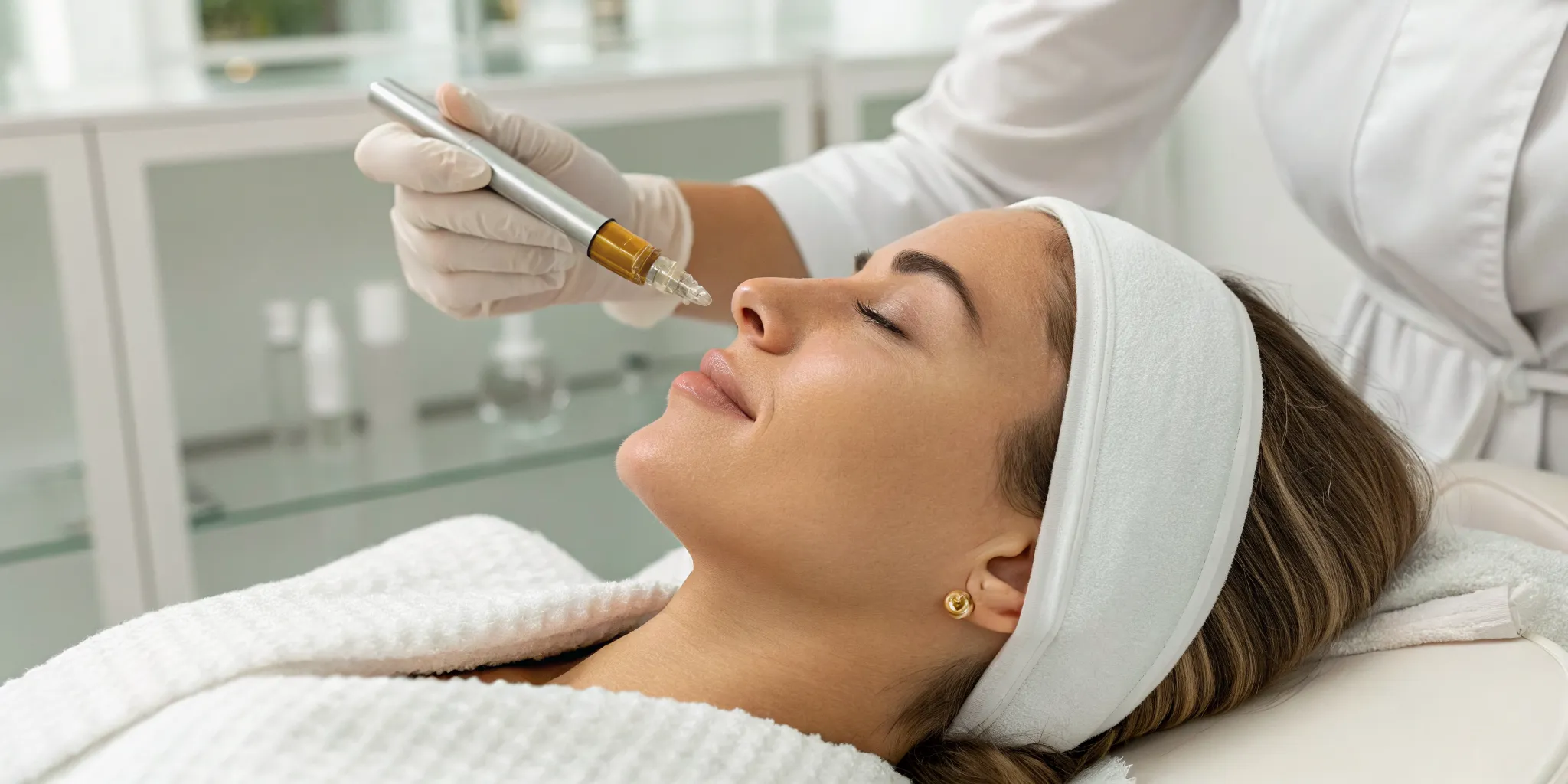
Some of the most stubborn skin concerns—deep acne scars, significant sun damage, and pronounced wrinkles—require a more powerful approach than standard treatments can offer. As a practitioner, you need effective solutions for the clients who feel frustrated by these persistent issues. This is where PRP microneedling becomes an invaluable tool. It combines the mechanical action of creating micro-channels with a potent infusion of the client’s own growth factors, creating a synergistic effect that accelerates healing and rebuilds tissue from within. This guide will walk you through the science, benefits, and ideal candidates for this transformative procedure.
Key Takeaways
- PRP enhances microneedling for superior results: By adding a client’s own platelet-rich plasma to a microneedling session, you amplify the skin’s natural healing response. This combination leads to faster recovery times and more dramatic improvements in skin texture and firmness compared to traditional microneedling.
- This versatile treatment expands your service offerings: PRP microneedling allows you to attract a wider client base by effectively addressing multiple concerns. It’s a powerful solution for skin rejuvenation, tackling wrinkles and scars, and can also be marketed as a natural option for hair restoration.
- Client trust is built through clear communication: Your success with this treatment depends on managing client expectations. A thorough consultation to identify the right candidates, combined with clear aftercare instructions, ensures a positive experience and builds the long-term loyalty essential for your practice’s growth.
What Is PRP Microneedling?
When you combine two powerful treatments, you often get results that are greater than the sum of their parts. That’s exactly the case with PRP microneedling. It pairs the collagen-stimulating effects of microneedling with the regenerative power of Platelet-Rich Plasma (PRP) to deliver truly remarkable skin rejuvenation for your clients. Let’s break down how each component works.
How Microneedling Works
Microneedling is a foundational aesthetic treatment, and for good reason. It’s a minimally invasive procedure that uses fine, sterile needles to create thousands of tiny, controlled micro-injuries on the skin’s surface. This process intentionally triggers the body’s natural healing cascade, signaling it to ramp up the production of collagen and elastin—the two essential proteins that give skin its structure and firmness. As the skin heals, it becomes smoother, tighter, and more even-toned. With advanced tools like the CytoPen® microneedling pen, you can offer this popular service with precision and consistency, giving your clients the rejuvenated results they’re looking for.
What Is Platelet-Rich Plasma (PRP)?
Platelet-Rich Plasma, or PRP, is a concentrated serum of growth factors derived directly from your client’s own blood. It’s a completely autologous treatment, which is a major point of comfort for many clients. The process is simple: a small amount of blood is drawn from the client’s arm and placed in a centrifuge. This machine spins the blood at a high speed, separating the red blood cells from the plasma and concentrating the platelets. The resulting golden-hued liquid is the PRP, a powerful solution packed with proteins that promote healing and cellular regeneration. These growth factors are key players in tissue repair, making PRP a valuable tool for skin rejuvenation and services like hair restoration.
How Do Microneedling and PRP Work Together?
This is where the magic happens. Microneedling and PRP are a perfect pair because one enhances the other’s effects. The microneedling procedure creates thousands of micro-channels in the skin. When you apply PRP immediately after, these channels allow the potent growth factors to penetrate far deeper than they could with a simple topical application. Instead of just working on the surface, the PRP gets delivered directly to the dermis, where it can stimulate cellular activity more effectively. This powerful combination accelerates the healing process, often reducing the redness and downtime associated with microneedling alone. More importantly, it amplifies the results, leading to more significant improvements in skin texture, scar reduction, and overall rejuvenation.
PRP vs. Traditional Microneedling: What’s the Difference?
While traditional microneedling is a fantastic service that delivers reliable skin rejuvenation, adding platelet-rich plasma (PRP) takes the treatment to a whole new level. Think of it as giving the skin everything it needs to rebuild itself in the most efficient way possible. Standard microneedling creates the opportunity for renewal, but PRP provides the high-quality materials to get the job done.
The core difference is simple: traditional microneedling relies solely on the body’s natural healing response to the micro-injuries, while PRP microneedling adds a powerful concentration of the client’s own growth factors directly to the treated area. This addition amplifies the effects of the treatment, leading to more dramatic improvements, a quicker recovery, and more satisfied clients. By combining these two approaches, you can offer a premium service that stands out.
Achieve Deeper Collagen Stimulation
Traditional microneedling is a minimally invasive procedure that uses fine needles to create thousands of controlled micro-injuries on the skin’s surface. This process triggers the body’s natural wound-healing response, stimulating robust collagen and elastin production. However, when you apply PRP immediately after, you are essentially feeding the skin a super-concentrated dose of growth factors. These growth factors signal the cells to work overtime, generating even more collagen and elastin than with microneedling alone. This enhanced stimulation leads to firmer, smoother, and more youthful-looking skin.
Offer Faster Client Recovery
One of the most significant advantages of adding PRP is a faster and more comfortable recovery for your clients. The same growth factors that supercharge collagen production also accelerate the healing process. The addition of PRP to microneedling treatments provides substantial therapeutic advantages, including accelerated healing times. This means your clients will experience less redness, swelling, and inflammation in the days following the procedure. For clients who are hesitant about downtime, offering a treatment that gets them back to their routine sooner is a powerful selling point that builds trust and encourages repeat business.
Deliver Longer-Lasting Results
Because PRP microneedling creates a more intense healing and collagen-building response, the results are not only more noticeable but also more durable. Microneedling with PRP works better than microneedling alone for many common skin concerns. It is especially effective for addressing stubborn issues like deep acne scars, surgical scars, significant sun damage, and pronounced fine lines. By providing a more comprehensive solution, you can help your clients achieve their goals more effectively, leading to higher satisfaction and a stronger reputation for your practice as a provider of cutting-edge aesthetic treatments.
Explore the Benefits of PRP Microneedling
When clients ask for transformative results, PRP microneedling delivers. This combination therapy goes beyond standard treatments, addressing a wide range of concerns from skin aging to hair thinning. By pairing the mechanical action of microneedling with the biological power of platelet-rich plasma, you can offer your clients a comprehensive solution that produces visible, lasting improvements. Let’s look at the specific benefits you can market to your clients.
Improve Skin Texture and Tone
At its core, microneedling creates micro-injuries in the skin to kickstart the body’s natural healing process. This response includes a surge in collagen and elastin production, the two proteins responsible for firm, supple skin. When you add PRP to the mix, you’re supplying the treated area with a concentrated dose of growth factors that supercharge this renewal process. The result for your client is a noticeable improvement in skin texture and a more even, radiant tone. For practices looking to provide these outcomes, professional microneedling systems are the foundation of this effective treatment.
Reduce Fine Lines and Wrinkles
Many clients seek treatments specifically to address the signs of aging. PRP microneedling is a powerful collagen induction therapy and a preferred solution for skin rejuvenation. The microneedles break down old, damaged tissue and stimulate the production of new, healthy collagen, which helps fill in fine lines and wrinkles from the inside out. The growth factors in PRP amplify this effect, accelerating cell turnover and tissue regeneration. This makes the treatment exceptionally effective for smoothing wrinkles around the eyes, mouth, and forehead, giving clients a naturally refreshed and youthful appearance without looking overdone.
Minimize the Appearance of Scars
While microneedling is well-known for addressing wrinkles, it’s also highly effective for treating atrophic scars, particularly those left behind by acne. The needles help break up tough, fibrous scar tissue and encourage the growth of new, healthy tissue in its place. Adding PRP enhances this process significantly. The growth factors help regulate pigment production, which can reduce the hyperpigmentation often associated with acne scars. For clients who have struggled with the lasting marks of acne, offering a treatment that visibly reduces scarring can be life-changing and build incredible loyalty to your practice.
Support Effective Hair Restoration
PRP microneedling isn’t just for skin; it’s also a promising solution for hair thinning and loss. When performed on the scalp, the microneedling process increases blood flow and stimulates dormant hair follicles. Applying PRP directly to these micro-channels delivers a potent concentration of growth factors right where they’re needed most. These growth factors can strengthen existing follicles and encourage new growth, leading to thicker, fuller hair over time. Adding hair restoration services can attract a new client base and expand your practice’s offerings.
Provide Natural Results with Minimal Risk
In a world of synthetic fillers and invasive procedures, many clients are looking for effective yet natural alternatives. PRP microneedling is a scientifically backed method that uses the body’s own healing mechanisms to rejuvenate the skin. Because the PRP is derived from the client’s own blood, the risk of allergic reaction or sensitivity is virtually eliminated. When performed with a professional-grade device like the CytoPen®, the procedure is safe and controlled. This allows you to confidently offer a treatment that provides natural-looking results with an excellent safety profile, giving clients peace of mind.
Is Your Client a Good Candidate for PRP Microneedling?
Pairing the right client with the right treatment is the cornerstone of a successful aesthetic practice. While PRP microneedling is a versatile and powerful service, a thorough consultation is essential to determine if it’s the best fit for your client’s goals and health profile. This initial conversation is your opportunity to manage expectations, build trust, and ensure the client will see the results they’re looking for. It’s about creating a partnership where you can confidently guide them toward their desired outcome.
The effectiveness of the procedure depends on two key factors: your skill as a practitioner and the client’s individual skin condition. Using a professional-grade device, like the CytoPen® microneedling system, gives you the precision needed to perform the treatment safely and effectively. However, even the best technology can’t overcome contraindications. Taking the time to properly screen each person ensures you protect their well-being and your practice’s reputation. By identifying ideal candidates and recognizing who should wait or opt for a different treatment, you set the stage for satisfaction and long-term client relationships.
Identifying the Ideal Candidate
The ideal candidate for PRP microneedling is typically someone looking to address common skin concerns without undergoing invasive surgery. These clients are often bothered by early signs of aging, such as fine lines and wrinkles, or textural issues like rough skin and large pores. Because the treatment stimulates collagen and elastin production, it’s also an excellent option for individuals hoping to minimize the appearance of acne scars or other forms of scarring.
Clients seeking a more natural approach to skin rejuvenation are also great candidates, as the procedure uses their own platelet-rich plasma. PRP microneedling is suitable for most skin types and tones. It’s also a fantastic option for clients concerned with thinning hair, as the growth factors in PRP can help support hair restoration when applied to the scalp.
Who Should Avoid This Treatment?
Client safety should always be your top priority. During the consultation, it’s critical to screen for contraindications that would make PRP microneedling unsafe or ineffective. You should not perform this treatment on clients who are pregnant or have used isotretinoin (Accutane) within the last six months. It’s also best to avoid treating skin with active conditions like cystic acne, eczema, or rosacea, as the procedure could worsen inflammation.
Additionally, clients with a history of keloid scarring, poor wound healing, or who have had skin radiation in the past year are not good candidates. Be sure to ask if they have a history of cold sores (herpes simplex), as microneedling can trigger an outbreak. A careful assessment of the client’s skin and medical history will help you make the safest and most effective recommendation.
The PRP Microneedling Process: A Step-by-Step Guide
Walking your clients through a new procedure helps build trust and manage their expectations. PRP microneedling is a straightforward, multi-step treatment that combines the mechanical action of microneedling with the biological power of platelet-rich plasma. Breaking down the process for your clients can demystify the experience and highlight the sophisticated, natural approach you’re taking to rejuvenate their skin. Here’s a clear, step-by-step guide you can adapt for your client consultations to explain exactly what happens during a PRP microneedling session in your practice.
Step 1: Prepare the Platelet-Rich Plasma
The process begins with preparing the PRP. To get the PRP, a small amount of blood is drawn from the client’s arm, similar to a routine blood test. This sample is then placed into a centrifuge, a device that spins at high speed to separate the blood components. This spinning process isolates the platelets and plasma from the red and white blood cells. The resulting platelet-rich plasma is a concentrated golden serum filled with powerful growth factors from your client’s own body. These growth factors are key to stimulating collagen, softening fine lines, and promoting the healing that leads to skin rejuvenation. This same powerful serum is also used in advanced hair restoration treatments.
Step 2: Numb the Treatment Area
Client comfort is a top priority. Before the microneedling begins, you will apply a topical anesthetic to the treatment area. A numbing cream is usually applied about 30 to 45 minutes before the procedure, which makes it virtually painless for most people. While the client may feel a slight vibrating or prickling sensation during the treatment, the numbing cream ensures the experience is comfortable and well-tolerated. This simple step allows you to perform the procedure effectively while your client remains relaxed. It’s a crucial part of ensuring a positive and professional experience from start to finish.
Step 3: Perform the Microneedling
Once the skin is numb, you can begin the microneedling portion of the treatment. Using a professional-grade device, like the CytoPen® microneedling pen, you will gently pass the instrument over the client’s skin. This minimally invasive procedure uses fine, sterile needles to create thousands of controlled micro-injuries across the skin’s surface. These micro-channels are essential for two reasons: they trigger the body’s natural wound-healing response to produce new collagen and elastin, and they create the perfect pathways for the PRP to penetrate deeply into the dermis for maximum effect.
Step 4: Apply the PRP
Immediately after the microneedling is complete, the prepared PRP is applied topically to the client’s skin. While PRP can be injected for certain cosmetic treatments, microneedling is often used because it allows the PRP to infuse directly into the skin through the newly created micro-channels. This ensures the growth factors are delivered exactly where they can be most effective, amplifying the collagen-stimulating effects of the treatment. The PRP works in tandem with the microneedling to accelerate healing, reduce inflammation, and produce more dramatic and natural-looking results than microneedling alone. This combination of advanced aesthetic technologies delivers superior outcomes for your clients.
Guide Your Clients Through Recovery and Aftercare
A successful PRP microneedling treatment doesn’t end when the client leaves your office. Clear, supportive aftercare instructions are essential for managing expectations, ensuring a smooth recovery, and achieving the best possible results. When clients feel informed and prepared for the healing process, their satisfaction and trust in your practice grow. Providing a detailed recovery timeline and a list of dos and don’ts will empower them to care for their skin properly and appreciate the incredible transformation that follows.
Guiding your clients through this phase reinforces your expertise and commitment to their well-being. It’s an opportunity to build a stronger relationship and ensure they return for future treatments. Let’s walk through the key information you should share to set your clients up for a fantastic outcome.
The First 72 Hours: What to Expect
The first few days after PRP microneedling are when the most noticeable effects of the treatment appear. It’s important to let your clients know that their skin will likely look and feel like it has a mild to moderate sunburn. This redness is a normal inflammatory response and a sign that the skin’s healing process has begun.
Advise them that this initial redness and a feeling of tightness will be most apparent for the first 24 to 72 hours. Some minor swelling is also common, especially around the eyes. Reassure them that these effects are temporary and a positive indication that the treatment is working. This is the time for their skin to rest and begin its rejuvenation, so gentle care is the top priority.
The Following Week: The Healing Process
After the initial 72-hour period, the redness and swelling will begin to subside. Most clients can return to their normal daily activities within 24 hours, but their skin will still be in a delicate healing phase. It’s normal to experience some mild peeling or flakiness as the old skin cells shed to make way for new, healthy tissue.
You may also see some minor bruising, which should resolve on its own within three to five days. Encourage your clients to be patient during this time and to treat their skin gently. The combination of microneedling and PRP accelerates this healing phase, but reminding clients that their skin is actively regenerating will help them stick to the aftercare plan and avoid picking at any flaking skin.
Setting Expectations for Long-Term Results
While the healing process starts immediately, visible results take time to appear. Most clients will begin to notice improvements in their skin’s texture and radiance within two to three weeks. However, the most significant results, such as the reduction of dark spots, fine lines, and acne scars, typically become more apparent after four to six weeks as new collagen is produced.
Explain that the addition of PRP to microneedling treatments offers significant advantages, including faster healing and more dramatic improvements in skin quality. For concerns like scarring, the results can be especially profound. Setting this timeline helps clients look forward to their results with realistic and positive expectations, ensuring they understand that the best is yet to come.
Essential Post-Treatment Skincare
Proper skincare is non-negotiable after a PRP microneedling session. Provide each client with a specific, gentle skincare plan to follow for at least the first four to five days. This regimen should focus on hydrating and protecting the skin while it heals.
Instruct clients to use a gentle, non-exfoliating cleanser with lukewarm water and to pat their skin dry with a clean towel. They should avoid rubbing or scrubbing the treated area. Following cleansing, they should apply any specialized serums or moisturizers you provide or recommend. These products are often formulated with ingredients like hyaluronic acid to soothe and hydrate the skin, supporting the healing process and maximizing the treatment’s benefits.
Activities and Products to Avoid
What clients don’t do after treatment is just as important as what they do. To prevent irritation and complications, provide a clear list of things to avoid for the first few days. This includes wearing makeup for at least 24 hours, as it can clog the micro-channels in the skin.
Clients should also steer clear of strenuous exercise, saunas, and steam rooms for a few days to avoid sweat and excess heat, which can irritate the skin. It’s crucial to avoid direct sun exposure, tanning beds, and swimming pools. Additionally, advise them to pause their use of active skincare ingredients like retinoids, vitamin C, and exfoliating acids until you give them the green light to resume.
Create a Multi-Session Treatment Plan
PRP microneedling is not a one-and-done treatment. To achieve optimal and lasting results, you’ll need to create a multi-session plan tailored to each client’s unique goals. For general skin rejuvenation and texture improvement, a series of two to three treatments is often sufficient. For more significant concerns like deep wrinkles or acne scars, a plan of three to six treatments may be necessary.
Schedule these sessions approximately four weeks apart to allow the skin to fully heal and regenerate between appointments. Explain to your clients that while PRP enhances the results of each session, a series of treatments builds upon the last to create comprehensive, long-term improvement. This approach also helps you build lasting client relationships and showcase the full potential of your services with our marketing support.
How to Manage Potential Side Effects
Properly preparing your clients for what to expect after their PRP microneedling session is just as important as the treatment itself. When clients feel informed, they feel more confident in the process and in your practice. Most side effects are mild and temporary, signaling that the skin’s natural healing process has begun. By setting clear expectations, you can help your clients feel at ease during their recovery and ensure they see the best possible results from their investment. This proactive communication builds trust and reinforces your expertise.
Managing Common, Temporary Side Effects
The most frequent side effects are redness and swelling, similar to a mild sunburn, which typically resolve within a few days. Clients might also experience some tightness or sensitivity. It’s helpful to explain that the sensation during the procedure is often described as a light vibration or scratching feeling. While some areas with thinner skin might be more sensitive, applying a topical numbing cream beforehand makes the treatment virtually painless for most people. Reassure them that these reactions are a normal part of the skin rejuvenation process. Using a high-quality device like the CytoPen® can also contribute to a more comfortable client experience and predictable healing.
Recognizing Rare Complications
While PRP microneedling is a safe procedure, it’s crucial to recognize the signs of rare complications. These can include infection, prolonged redness or swelling, and in very rare cases, scarring. An infection might present as increased pain, pus, or warmth at the treatment site that doesn’t subside. Educate your team to look for these signs during follow-up appointments and instruct clients to contact you immediately if they notice anything unusual. Maintaining a sterile environment and using single-use, sterile needle cartridges are non-negotiable steps to prevent these issues. Your commitment to the highest safety standards is what sets your professional practice apart and protects your clients.
Best Practices to Minimize Client Risk
The best way to manage side effects is to minimize them from the start. This begins with a thorough consultation to confirm your client is a suitable candidate and to discuss their medical history. Using professional-grade, FDA-cleared equipment is also essential for ensuring safety and efficacy. Since the treatment uses the client’s own platelet-rich plasma, the risk of allergic reaction or rejection is extremely low. This makes it a natural and safe method for skin rejuvenation. By investing in advanced aesthetic devices and comprehensive training, you create a controlled, professional environment where clients can achieve their desired results with confidence.
Debunking 4 Common Myths About PRP Microneedling
As a practitioner, you’ve likely heard it all. Misinformation about aesthetic treatments can spread quickly, causing potential clients to hesitate or opt out of procedures that could truly benefit them. When it comes to PRP microneedling, a few persistent myths can create unnecessary fear and skepticism. Addressing these concerns head-on with clear, accurate information is key to building trust and helping clients feel confident in their decision.
By understanding the facts behind the fiction, you can educate your clients, manage their expectations, and highlight the safety and efficacy of this powerful treatment. Let’s walk through four of the most common myths about PRP microneedling and the truths you can use to dispel them. Having these answers ready will not only streamline your consultations but also empower your clients to move forward with excitement for the results to come.
Myth: The procedure is too painful
One of the biggest hurdles for clients considering microneedling is the fear of pain. It’s an understandable concern, but one you can easily put to rest. Before the procedure begins, a topical numbing cream is applied to the treatment area, significantly minimizing any discomfort. Most patients don’t describe the sensation as painful. Instead, they often report feeling a light vibration or a gentle scratching, almost like fine sandpaper moving across the skin. While some areas with thinner skin, like the forehead or around the nose, might be slightly more sensitive, the overall procedure is generally well-tolerated. Reassuring your clients about the numbing process and the manageable sensations helps them relax and feel more comfortable.
Myth: At-home devices deliver the same results
In a world of DIY beauty, it’s crucial to explain the vast difference between professional treatments and at-home devices. At-home derma rollers have much shorter, finer needles that barely penetrate the skin’s surface. They are designed for enhancing product absorption, not for stimulating collagen production. Professional microneedling with a device like the CytoPen® uses longer, medical-grade needles to create controlled micro-injuries at a precise depth, triggering a true healing response. This is what initiates significant collagen and elastin growth. Furthermore, professional treatments are performed in a sterile environment by a trained expert, ensuring both safety and superior, long-lasting results that at-home tools simply cannot replicate.
Myth: PRP is only for sports injuries
While it’s true that Platelet-Rich Plasma therapy gained fame in orthopedics for helping athletes recover from injuries, its benefits are not limited to joints and tissues. The same growth factors that accelerate healing in a sprained ankle are incredibly effective at rejuvenating the skin. Researchers and clinicians discovered that PRP’s regenerative properties could be harnessed for aesthetic purposes to repair signs of aging, sun damage, and scarring. Microneedling provides the perfect delivery system, creating micro-channels that allow the PRP to infuse deep into the skin and go to work exactly where it’s needed most. You can explain to clients that you are simply redirecting the body’s powerful, natural healing abilities toward their aesthetic goals.
Myth: Microneedling damages the skin
The idea of intentionally creating thousands of tiny punctures in the skin can sound counterintuitive, leading some to believe it must be damaging. However, microneedling is a scientifically supported method for skin rejuvenation that works with the body’s natural healing processes, not against them. The micro-injuries are precisely controlled to trigger a wound-healing cascade, which includes the production of new collagen and elastin. This response is what strengthens the skin, improves its texture, and reduces the appearance of imperfections. Far from causing harm, professional microneedling is a highly effective treatment for improving acne scars, hyperpigmentation, and overall skin quality when performed correctly by a trained practitioner.
Setting Your Price for PRP Microneedling
Determining the right price for your services is one of the most critical decisions you’ll make for your practice. For a premium treatment like PRP microneedling, your pricing needs to reflect the advanced nature of the procedure, cover your costs, and position your practice competitively. It’s about finding that sweet spot where clients perceive incredible value and your business remains profitable and sustainable. Let’s break down how to set a price that works for both you and your clients.
Factors That Influence Your Pricing
Your pricing strategy for PRP microneedling should account for several key variables. Start by assessing your overhead, including the cost of single-use needle cartridges, PRP kits, and your team’s time. Your geographic location and what local competitors charge will also play a role, but don’t let that be your only guide. The expertise of your staff is a significant factor; a highly experienced practitioner warrants a higher price point. Remember that the final cost varies based on the treatment area, as a session for the face and neck will require more time and product than a smaller area. Bundling sessions into packages can offer client savings while securing future appointments for your practice.
How to Communicate Value to Your Clients
Clients are more willing to invest in a service when they fully understand its benefits. Your job is to educate them on why PRP microneedling is more than just a standard facial. During consultations, explain how the treatment uses their own plasma to naturally regenerate skin and stimulate deep collagen production. Use before-and-after photos to showcase real results for concerns like fine lines, acne scars, or uneven texture. Clearly explaining the science and safety behind the procedure helps build trust and justifies the premium price. Emage Medical offers marketing support to help you create materials that effectively communicate this value to your clients.
How Advanced Devices Impact Results and ROI
The quality of your equipment directly influences client outcomes and your practice’s reputation. Using a professional-grade device like the CytoPen® ensures you can deliver consistent, safe, and effective treatments. This level of precision and reliability is something at-home devices simply cannot offer, a fact that justifies a higher price. Investing in superior technology leads to more dramatic and predictable results, which creates happier clients. Those satisfied clients are more likely to leave positive reviews, return for more treatments, and refer their friends, giving you a strong return on your initial investment and building a loyal customer base.
Frequently Asked Questions
How many PRP microneedling sessions should I recommend to my clients? The number of treatments really depends on your client’s specific goals. For general skin rejuvenation, like improving texture and radiance, a series of two to three sessions spaced about four weeks apart is a great starting point. For more significant concerns, such as deep acne scars or pronounced wrinkles, you will likely need to recommend a series of three to six treatments to achieve the best outcome. This multi-session approach allows you to build on the results of each treatment for a more comprehensive and lasting transformation.
How much faster is the recovery with PRP compared to traditional microneedling? Adding PRP to a microneedling treatment makes a noticeable difference in recovery time. While standard microneedling might leave a client with redness for three to five days, the growth factors in PRP actively accelerate the healing process. Most clients who receive PRP find their initial redness and inflammation are significantly reduced, often subsiding within just one to three days. This is a powerful benefit for clients who are concerned about downtime and want to return to their normal routine as quickly as possible.
Is PRP microneedling a safe option for clients with darker skin tones? Yes, this is one of the reasons PRP microneedling is such a valuable service to offer. Because the treatment does not use heat (like some lasers do), there is a much lower risk of triggering post-inflammatory hyperpigmentation in melanin-rich skin. The procedure is mechanical and biological, using the body’s own healing functions to improve the skin. As long as it is performed correctly by a trained professional, it is a very safe and effective option for rejuvenating most skin types and tones.
How long will my client’s results last after they complete a treatment series? After completing a full series of PRP microneedling sessions, your clients can expect their results to be quite durable. The new collagen and elastin that their skin has built will provide structural support for many months. Generally, the improvements in skin texture, firmness, and tone can last for a year or even longer. To help them maintain their investment, you can recommend a single maintenance session once a year to continue stimulating collagen and keep their skin looking refreshed.
Can I combine PRP microneedling with other aesthetic treatments for my clients? Absolutely, but strategic timing is everything. PRP microneedling pairs well with other procedures as part of a holistic treatment plan. For instance, you could suggest a gentle hydradermabrasion treatment a couple of weeks beforehand to prepare the skin. However, you should avoid performing other intensive treatments, like chemical peels or lasers, too close to a microneedling session. It’s best to space these procedures several weeks apart to allow the skin to fully heal and to prevent over-stressing it.