
What Is Melanin Skin? A Professional’s Guide
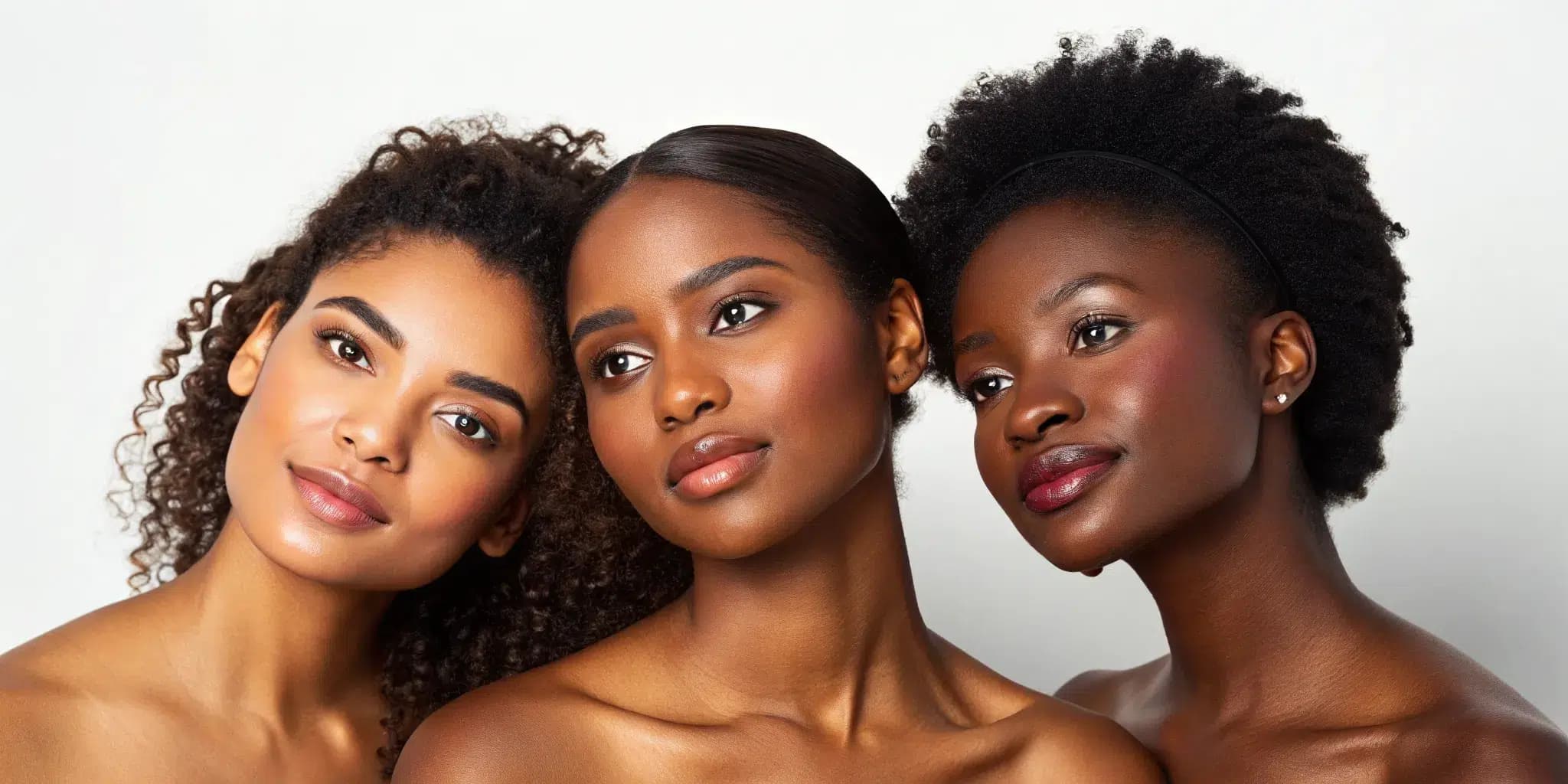
Building an inclusive and successful practice means being able to serve every person who walks through your door with confidence. Clients with melanin-rich skin are actively seeking knowledgeable professionals they can trust, representing a significant and often underserved part of the market. Becoming a go-to expert for melanin skin is not just about expanding your client base; it’s about building a reputation for excellence and inclusivity. It all starts with a solid understanding of how melanin works. This guide provides the essential information you need to address your clients’ unique concerns, select the right treatments, and position your practice as a leader in customized skincare.
Key Takeaways
- Understand Melanin’s Dual Role: Melanin provides natural UV protection, which is why melanin-rich skin often ages slower, but it is also highly reactive to inflammation and sun exposure, leading to common concerns like hyperpigmentation.
- Prioritize Diagnosis Before Treatment: A personalized approach is essential for melanin-rich skin. Start with an accurate assessment using skin imaging to create a safe, effective plan with treatments like microneedling or hydradermabrasion that minimize the risk of PIH.
- Partner with Clients on At-Home Care: The success of your professional services depends on consistent home routines. Educate clients on key ingredients like Vitamin C and niacinamide, and reinforce that daily, broad-spectrum sunscreen is non-negotiable for protecting their investment.
What Is Melanin?
As an aesthetic professional, you know that skin is far more than just a surface; it’s a complex organ. At the heart of its appearance and health is melanin. Simply put, melanin is the natural pigment responsible for the beautiful spectrum of colors in our skin, hair, and eyes. Produced by specialized cells, this pigment does more than just determine whether your client has a light, fair complexion or a deep, rich one. It also serves as the body’s first line of defense against the damaging effects of ultraviolet (UV) radiation.
Understanding the science of melanin is fundamental to providing effective and safe treatments for every client who walks through your door. The amount and type of melanin in the skin influence everything from how it responds to sun exposure to its likelihood of developing hyperpigmentation. A deep understanding of melanin is the first step in accurately assessing and treating any client, which is why advanced skin imaging systems are so valuable. These tools help you see what’s happening beneath the surface, allowing you to tailor your services with precision and care. By grasping how melanin works, you can better address common concerns and guide your clients toward their healthiest skin.
What Do Melanocytes Do?
Think of melanocytes as tiny melanin factories located in the basal layer of the epidermis. These specialized cells have one primary job: to produce melanin. The process, known as melanogenesis, is a direct response to stimuli, most notably UV light from the sun. When skin is exposed to UV radiation, melanocytes kick into gear to produce more melanin in an effort to protect the skin from damage. This is what creates a tan. The melanin they produce is then packaged up and transferred to the surrounding skin cells (keratinocytes), where it performs its protective duties. Every person has roughly the same number of melanocytes, but the amount of melanin they produce varies widely.
Where Is Melanin Found in the Body?
While melanin is most famous for its role in the skin, its presence extends to several other parts of the body. It’s the pigment that dictates the color of our hair, from platinum blonde to jet black. It’s also found in the iris of the eye, creating the stunning variety of eye colors we see. Beyond these more visible areas, melanin is also present in less expected places. You can find it in certain parts of the brain and even in the inner ear, where it is thought to play a role in hearing and balance. This wide distribution highlights just how integral melanin is to our body’s overall structure and function, far beyond just skin tone.
How Is Melanin Produced?
Diving a bit deeper, melanin production happens inside the melanocytes within tiny, membrane-bound packages called melanosomes. Once these melanosomes are filled with melanin, they are transported out of the melanocyte and delivered to the neighboring keratinocytes, the most common type of skin cell. Here’s where the magic happens: the melanosomes strategically arrange themselves over the keratinocyte’s nucleus. They form a protective cap, acting like a personal umbrella to shield the cell’s precious DNA from the harmful, mutating effects of UV radiation. This elegant biological process is the body’s built-in, natural sun protection system, working constantly to keep your skin safe.
The Three Types of Melanin Explained
When we talk about melanin, it’s easy to think of it as a single substance that dictates skin color. But the reality is more complex and interesting. Melanin actually comes in three distinct types, each with a different chemical structure and function in the body. Understanding these variations is key to appreciating how skin, hair, and even brain health are influenced by these powerful pigments. Let’s look at each one more closely.
Eumelanin: The Dark Pigment
Eumelanin is what most people think of when they hear “melanin.” It’s the most common type of melanin and is responsible for the brown and black pigments in our skin, hair, and eyes. It actually comes in two forms: black and brown. The specific ratio of these two forms determines the final shade. For example, someone with black hair has a high concentration of black eumelanin, while a person with brown hair has a mix. And if someone has very little brown eumelanin and no black eumelanin, they’ll likely have blonde hair. This pigment is the primary factor in how dark a person’s complexion is and provides our skin’s natural protection against UV radiation.
Pheomelanin: The Red and Yellow Pigment
While eumelanin creates dark tones, pheomelanin is responsible for the warmer, lighter colors. This pigment provides red and yellow hues and is what gives redheads their distinct hair color. It’s also the reason for the pinkish tint of lips and nipples. Most people have a combination of both eumelanin and pheomelanin, and their unique balance creates the wide spectrum of human hair and skin tones we see. Individuals with higher concentrations of pheomelanin tend to have fairer skin that is more susceptible to sun damage, which is an important consideration when consulting with clients about sun protection and treatments for sun-related concerns.
Neuromelanin: The Brain’s Pigment
The third type, neuromelanin, is found not in the skin but deep within the brain. This specialized pigment accumulates in the substantia nigra, a region of the brain involved in motor control. Unlike the other types, neuromelanin isn’t produced by melanocytes. Instead, it’s a byproduct of dopamine synthesis. Researchers believe it plays a protective role for neurons by binding to and neutralizing harmful substances like heavy metals. While it doesn’t affect a person’s outward appearance, its presence is vital for brain health, and its loss is linked to neurodegenerative diseases like Parkinson’s. This connection highlights just how versatile and important melanin is throughout the body.
What Determines Skin Tone?
A person’s unique skin tone is a beautiful and complex trait determined by two main factors: genetics and environmental exposure. At the heart of it all is melanin, the pigment produced by specialized cells called melanocytes. What’s fascinating is that nearly everyone has a similar number of these melanocyte cells. The difference in skin color comes down to how much melanin those cells produce and what type of melanin is most prominent, a process directed by our individual genetic code.
Think of your genes as the original blueprint for your skin tone. They dictate your baseline level of melanin production, which is why skin color is hereditary. However, this blueprint isn’t set in stone. Environmental factors, especially sun exposure, can signal your body to adjust melanin levels. This dynamic interplay between our DNA and our environment is what creates the rich spectrum of skin tones we see. Understanding both of these influences is key to providing effective and personalized skin care for every client who walks through your door.
The Genetic Blueprint for Melanin
Your DNA provides the fundamental instructions for your skin’s pigmentation. It tells your melanocytes exactly how much and what type of melanin to create. While we all have roughly the same number of these pigment-producing cells, our genes determine their activity level. Individuals with darker skin have melanocytes that are genetically programmed to produce more melanin, specifically eumelanin. In contrast, those with lighter skin produce less melanin overall and may have a higher concentration of pheomelanin, which results in fairer skin, freckles, and red hair. This genetic foundation is what establishes a person’s constitutional skin color, or the baseline pigmentation in areas of the body that are not typically exposed to the sun.
How Sun and Environment Affect Melanin
While genetics set the stage, the sun plays a leading role in the day-to-day story of your skin tone. Melanin’s most important job is to act as a natural sunshield, protecting your skin cells from the damaging effects of ultraviolet (UV) radiation. When your skin is exposed to the sun, it triggers your melanocytes to produce more melanin in a process we know as tanning. This is your body’s attempt to create a protective barrier to shield cellular DNA from harm. However, this protective response can sometimes be uneven, leading to common concerns like freckles and sun spots. It’s a reminder that while melanin’s role is protective, no skin tone is immune to sun damage.
How Does Melanin Protect Skin from UV Rays?
One of melanin’s most critical jobs is to act as the body’s built-in defense system against the sun. When skin is exposed to ultraviolet (UV) radiation, melanocytes ramp up melanin production in an effort to shield the skin from damage. This process is what creates a tan, which is actually a visible sign of the skin trying to protect itself. Understanding this mechanism is fundamental for any aesthetic professional, as it directly relates to sun damage, photoaging, and the risk of skin cancer for every client, regardless of their skin tone. It also informs which treatments and products are most effective for addressing concerns related to sun exposure.
How Melanin Acts as a Natural Sunshield
Melanin provides a powerful, natural defense against the sun. Produced by melanocytes in the epidermis, its primary role is to protect cells from the harmful effects of UV radiation. When UV rays penetrate the skin, melanin absorbs the radiation and dissipates it as harmless heat. This prevents the UV light from reaching the delicate DNA within your skin cells, which could otherwise lead to mutations and potential skin cancers. This protective quality is why you see increased pigmentation after sun exposure. The skin is essentially creating a shield to prevent further damage, making melanin a key player in maintaining skin health.
Does More Melanin Equal More Sun Protection?
While it’s true that a higher concentration of melanin offers more inherent protection, it doesn’t make someone invincible to sun damage. Darker skin tones, which contain more eumelanin, have a higher natural sun protection factor (SPF) than lighter skin tones. However, this natural SPF is still relatively low and insufficient for prolonged sun exposure. Melanin absorbs harmful UV rays, but it can’t block all of them. Think of it as a light shield rather than a complete barrier. This is a crucial point to communicate to clients who may believe their darker skin tone exempts them from needing sunscreen.
Why Everyone Is at Risk for Skin Cancer
No matter how much melanin a person has, their skin is still vulnerable to the cumulative effects of UV exposure. While individuals with more melanin have a lower risk of developing skin cancer, that risk is not zero. In fact, skin cancers in people of color are often diagnosed at later, more dangerous stages, partly due to this misconception about sun safety. It’s essential to educate every client that daily sun protection is non-negotiable. Using advanced tools like skin imaging systems can help you show clients the underlying sun damage that isn’t visible to the naked eye, reinforcing the need for consistent SPF use.
Common Skin Concerns Tied to Melanin
While melanin provides a fantastic natural defense against the sun, it also presents a unique set of considerations for skin health. As an aesthetic professional, you know that clients with melanin-rich skin often come to you with specific concerns that are directly linked to how their melanocytes behave. An overproduction of melanin can lead to hyperpigmentation, while an underproduction or loss of melanocytes can result in other conditions. Understanding these common issues is the first step in creating effective and safe treatment plans for every client who walks through your door.
Hyperpigmentation and Uneven Tone
Hyperpigmentation, or the appearance of dark spots and patches, is one of the most frequent concerns for people with melanin-rich skin. This happens because the more melanin a person has, the more reactive their melanocytes can be to any kind of trigger, like inflammation from a breakout or sun exposure. While the increased melanin provides some great benefits, like better protection from UV rays and a slower visible aging process, it also creates distinct challenges. Your clients may notice an uneven complexion or dark marks that linger long after a pimple has healed. Addressing this requires a gentle approach that focuses on brightening the skin without causing further irritation.
Post-Inflammatory Hyperpigmentation (PIH)
Post-inflammatory hyperpigmentation, or PIH, is a specific type of discoloration that follows an injury or inflammation of the skin. For your clients, this could be triggered by acne, eczema, or even a reaction to a harsh skincare product. As the skin heals from this inflammation, the melanocytes can go into overdrive and produce excess melanin, leaving a dark spot behind. This is a crucial factor to consider when performing any treatment, from chemical peels to microneedling. The goal is always to improve the skin without creating the very inflammation that leads to post-inflammatory hyperpigmentation in the first place, which is why proper technique and post-care are so important.
Melasma
Melasma is another common form of hyperpigmentation that presents as brown or grayish-brown patches, typically on the face. You’ll often see it appear symmetrically on the cheeks, forehead, bridge of the nose, or upper lip. Unlike PIH, melasma is often triggered by hormonal changes, which is why it’s sometimes called the “mask of pregnancy.” Other major triggers include sun exposure, which can darken existing patches, and certain medications like birth control pills. Because melasma can be persistent and is closely tied to internal factors, managing it often requires a multi-faceted approach that includes professional treatments, diligent sun protection, and a consistent at-home skincare regimen.
Vitiligo and Albinism
On the other end of the spectrum are conditions caused by a loss or absence of melanin. Vitiligo is an autoimmune condition where the body’s immune system mistakenly attacks and destroys melanocytes. This results in smooth, white patches of skin where pigment is completely absent. Albinism, on the other hand, is a rare genetic condition where a person has very little or no melanin production at all. This affects the color of their skin, hair, and eyes, and it significantly reduces the body’s natural protection against UV radiation. While these conditions are managed medically, understanding them is essential for any skin expert providing comprehensive consultations and care.
Melanin’s Role in Hair and Eye Color
Melanin’s influence isn’t limited to the skin; it’s the master artist behind the vast spectrum of hair and eye colors we see every day. Understanding how this pigment works in different parts of the body gives you a more complete picture of its function. For your clients, these visible traits are often a core part of their identity, and knowing the science behind them can help you answer their questions with confidence. Let’s look at how melanin creates these unique features and why they can change over time.
Why Does Hair Color Change Over Time?
The rich diversity of hair color, from jet black to strawberry blonde, is all thanks to melanin. Specifically, the type and amount of melanin produced in the hair follicles dictate the final shade. The biochemistry of melanin shows that eumelanin is responsible for black and brown hues, while pheomelanin creates reds and yellows. Blonde hair simply results from small amounts of brown eumelanin. As we age, our bodies naturally slow down melanin production within these follicles. This decrease in pigment is what causes hair to lose its color, eventually turning gray or white. This process is a normal part of aging, though its timing is heavily influenced by genetics.
How Melanin Creates Different Eye Colors
Just as with hair, melanin is the key determinant of eye color. The amount of pigment present in the iris, the colored part of the eye, creates the shade you see. Eyes with high concentrations of melanin appear brown, while eyes with very little melanin appear blue. Green and hazel eyes fall somewhere in between, with moderate amounts of melanin. Beyond aesthetics, melanin in the iris serves a functional purpose. It helps absorb excess light, which can contribute to clearer vision and protect the inner eye from sun damage. The interplay between the quantity and type of melanin in the iris is what produces the beautiful and unique range of eye colors in the human population.
Key Ingredients for Treating Melanin-Rich Skin
While professional treatments are the fastest way to see significant change, lasting results depend on consistent at-home care. Guiding your clients toward a routine with the right active ingredients is essential for managing concerns common to melanin-rich skin, especially hyperpigmentation. When you empower clients with this knowledge, you extend the benefits of your in-office procedures, like microneedling or hydradermabrasion, and solidify your role as their trusted skincare expert.
By understanding which ingredients work best, you can create effective, personalized plans that protect your clients’ skin and build their confidence in your practice. It’s about creating a partnership where their daily habits support the advanced work you perform. From powerful antioxidants that shield the skin to gentle exfoliants that promote renewal, recommending the right combination of products is key. Here are the core ingredients to focus on when building a skincare regimen for clients with melanin-rich skin.
Brighten and Protect with Vitamin C
Vitamin C is a powerful antioxidant that should be a staple in any routine for melanin-rich skin. Its primary role is to protect the skin from environmental stressors like UV rays and pollution, which can trigger excess melanin production. For your clients, this translates to a brighter, more radiant complexion. It actively works to fade the appearance of existing dark spots and prevent new ones from forming, making it an excellent ingredient for tackling post-inflammatory hyperpigmentation. When recommending a Vitamin C serum, advise clients to apply it in the morning before sunscreen to maximize its protective benefits throughout the day.
Even Out Tone with Niacinamide
Niacinamide, a form of vitamin B3, is a versatile ingredient that addresses several concerns for melanin-rich skin. Its standout benefit is its ability to inhibit the transfer of pigment within the cells, which helps to even out skin tone and visibly reduce discoloration. Beyond pigmentation, niacinamide is also fantastic for overall skin health. It helps to strengthen the skin barrier, regulate oil production, and improve skin texture by minimizing the appearance of pores. Because it’s generally well-tolerated, you can confidently recommend it to clients with various skin types, including those with sensitive or acne-prone skin, as a gentle yet effective solution for a more uniform complexion.
Promote Cell Turnover with Chemical Exfoliants
Chemical exfoliants, including alpha-hydroxy acids (AHAs) like glycolic and lactic acid, and beta-hydroxy acids (BHAs) like salicylic acid, are crucial for treating hyperpigmentation. They work by dissolving the bonds that hold dead skin cells to the surface, which helps promote cell turnover and reveals brighter, more even-toned skin underneath. However, it’s vital to approach exfoliation with caution for melanin-rich skin, as over-exfoliation can cause irritation and lead to more post-inflammatory hyperpigmentation. Advise your clients to start with lower concentrations and limit use to a few times per week to build tolerance and avoid compromising their skin barrier.
Hydrate to Improve Skin Elasticity
Hydration is fundamental to healthy, resilient skin. For clients with melanin-rich skin, proper hydration helps maintain a strong skin barrier, which is the first line of defense against irritation and inflammation that can lead to pigmentation issues. Ingredients like hyaluronic acid and glycerin are excellent humectants that draw moisture into the skin, giving it a plump and supple appearance. Well-hydrated skin not only looks healthier but is also better equipped to handle active ingredients and professional treatments. Emphasize to your clients that maintaining skin elasticity and strength starts with a solid foundation of daily hydration.
Why Sunscreen Is Non-Negotiable
If there is one non-negotiable product for every client, it’s sunscreen. This is especially true for those with melanin-rich skin. A common misconception is that more melanin provides adequate sun protection, but this isn’t the case. While melanin offers some minimal defense, it is not enough to prevent sun damage. UV exposure is a primary trigger for hyperpigmentation, and without daily sun protection, other treatments for dark spots will be ineffective. Unprotected sun exposure can exacerbate hyperpigmentation and undo the progress made with other treatments. Encourage clients to use a broad-spectrum SPF of 30 or higher every single day, and recommend tinted or mineral-based formulas that blend seamlessly into deeper skin tones.
The Link Between Melanin, Aging, and Skin Health
Melanin is much more than just a pigment; it’s a key player in how skin ages and responds to environmental stressors. As a professional, you know that skin health is a delicate balance, and melanin is a central part of that equation. While it provides a fantastic natural defense system, its presence and activity level also introduce specific considerations for your clients, especially when it comes to aging, nutrient synthesis, and inflammatory responses.
Understanding this complex relationship is crucial for providing the best care. For instance, the very mechanism that protects skin from the sun can also interfere with the body’s ability to produce essential vitamins. Likewise, the cellular processes that create melanin can be easily disrupted, leading to common concerns like hyperpigmentation. By appreciating the full scope of melanin’s role, you can better educate your clients, tailor your treatments, and help them achieve healthy, radiant skin at any age. This deeper knowledge allows you to move beyond a one-size-fits-all approach and truly personalize the care you provide in your practice.
How UV Exposure Impacts Melanin and Aging
Melanin’s most important job is to act as a natural sunscreen, shielding skin cells from the damaging effects of ultraviolet radiation. This protective quality is why melanin-rich skin often shows signs of aging, like fine lines and wrinkles, more slowly than lighter skin tones. The increased pigment provides a better defense against the collagen breakdown caused by sun exposure.
However, this built-in protection isn’t a free pass to skip the SPF. While darker skin has a stronger shield, it is not immune to sun damage. In fact, clients with melanin-rich skin face their own unique set of challenges, including a higher susceptibility to pigmentation issues triggered by UV rays. It’s a crucial point to communicate during consultations, ensuring every client understands their personal risk factors.
The Vitamin D and Melanin Balancing Act
Here’s an interesting paradox for your clients with melanin-rich skin: the very thing that protects them from the sun can also make it harder to produce vitamin D. The body synthesizes vitamin D when the skin is exposed to UV rays, but melanin is incredibly efficient at absorbing that radiation before the process can begin. Because of this, some experts suggest that people with darker skin may be more likely to have low vitamin D levels.
While you can’t diagnose a deficiency, you can educate your clients on this connection. It’s a valuable piece of information that empowers them to have more informed conversations with their primary care physician about their overall health, diet, and potential need for supplementation.
Understanding Melanin and Inflammation
Beyond sun protection, melanin also plays a role in the skin’s inflammatory response. It helps your skin fight off free radicals, which are unstable molecules that can cause cellular damage and inflammation. This antioxidant-like property is another way melanin contributes to maintaining skin health and resilience.
However, the system that produces melanin is sensitive. When it’s disrupted by inflammation, genetics, or hormonal changes, it can lead to pigmentary disorders. On one end of the spectrum, you have conditions like post-inflammatory hyperpigmentation (PIH), where the skin overproduces melanin in response to injury. On the other, you have conditions like albinism, which results from a significant lack of melanin production, leaving the skin, hair, and eyes with little to no pigment.
Professional Treatments for Melanin-Rich Skin
When treating clients with melanin-rich skin, a thoughtful and cautious approach is key. Because this skin type has more active melanocytes, it’s more susceptible to post-inflammatory hyperpigmentation (PIH) from treatments that are too aggressive. This doesn’t mean you should avoid advanced procedures; it just means you need to choose the right ones and perform them with precision. The goal is to achieve incredible results, like smoother texture and a more even tone, without accidentally triggering the very pigmentation issues you’re trying to solve. It’s about finding that perfect balance between efficacy and safety, which is entirely possible with the right tools and training.
Building a treatment menu that truly serves every client requires a deep understanding of how different modalities interact with higher melanin levels. Instead of relying on one-size-fits-all protocols, you can combine gentle yet effective technologies to address concerns like uneven tone, texture, and signs of aging. By integrating comprehensive skin analysis with safe resurfacing and exfoliation techniques, you can create customized plans that deliver beautiful, consistent outcomes. This commitment to specialized care shows your clients that you have the expertise and technology to meet their unique needs, building trust and loyalty for your practice. It positions you as a true expert in treating all skin tones.
Start with an Accurate Skin Imaging Assessment
The most effective treatment plan always begins with an accurate diagnosis. Before you touch a client’s skin, you need a complete picture of what’s happening on and below the surface. This is especially true for melanin-rich skin, where underlying inflammation or pigmentation might not be visible to the naked eye. To truly serve this community, you have to go beyond a simple visual check.
Advanced skin imaging systems are a game-changer here. They allow you to see sun damage, inflammation, and pigmentation in detail, helping you create a precise and safe treatment protocol. By identifying potential issues beforehand, you can tailor your approach to minimize the risk of PIH and other adverse reactions. This diagnostic step empowers you to educate your clients on their specific skin concerns and confidently recommend the most appropriate and effective treatments.
Safely Resurface Skin with Microneedling
Many clients with melanin-rich skin are looking for ways to improve texture, reduce fine lines, and even out their skin tone, but they may be wary of aggressive lasers. This is where microneedling shines as a safe and effective resurfacing treatment. It works by creating tiny, controlled micro-injuries in the skin, which stimulates the body’s natural collagen and elastin production.
Unlike some heat-based treatments that can pose a risk for PIH, microneedling rejuvenates the skin without causing thermal damage to the surrounding tissue. This makes it a much safer option for addressing concerns like acne scars and uneven texture in diverse skin tones. When performed by a trained professional, microneedling can significantly improve skin quality with minimal risk, helping your clients achieve a smoother, more radiant complexion.
Offer Gentle Exfoliation with Hydradermabrasion
Gentle exfoliation is essential for maintaining healthy, glowing skin, but harsh scrubs and aggressive chemical peels can sometimes do more harm than good for melanin-rich complexions. Hydradermabrasion offers the perfect solution. This advanced treatment provides deep cleansing, exfoliation, and hydration in one comfortable session, making it an ideal choice for sensitive or reactive skin.
Using a vortex of water and customized serums, hydradermabrasion gently removes dead skin cells and impurities without the abrasive crystals or harsh acids that can lead to irritation. It’s an excellent way to brighten the complexion, clear congestion, and infuse the skin with nourishing ingredients. For clients with melanin-rich skin, it’s a fantastic, low-risk option for regular maintenance that delivers an immediate, visible glow without any downtime.
How to Better Serve Clients with Melanin-Rich Skin
Building a practice that truly serves every client means understanding the specific needs of different skin tones. The skincare community is built on trust, and this is especially true for clients with melanin-rich skin who have often felt overlooked by the industry. To create a thriving practice that welcomes everyone, you need to show a genuine commitment to understanding and treating all skin. This means going beyond simply offering a standard menu of services and actively creating an inclusive environment where every client feels seen, heard, and properly cared for.
Making your practice a trusted space for clients with melanin-rich skin is not just good ethics; it’s good business. Research shows that only a small percentage of Black consumers feel they can find beauty products that meet their needs. This represents a huge opportunity for dedicated professionals. By intentionally catering to this demographic, you position your practice as a knowledgeable and reliable leader in the community. It all starts with a foundation of education, a thoughtfully curated treatment menu, and the right technology to deliver personalized results. We are committed to providing the comprehensive support you need to confidently serve every person who walks through your door, helping you build the skills and reputation that attract a diverse clientele.
Invest in Training on Diverse Skin Tones
True expertise comes from continuous learning. Many skincare companies and even some practitioners lack the specific knowledge to address concerns common in melanin-rich skin, which can lead to hesitation from clients. Investing in education for yourself and your team is the first step to closing this gap. When you understand the nuances of how different treatments affect deeper skin tones, you can perform services with confidence and build a reputation for delivering safe, effective results. This specialized knowledge is what transforms a good aesthetician into a trusted skin care partner for life.
Build an Inclusive Treatment Menu
Your service menu is a direct reflection of who your practice is for. Take a look at your current offerings and ask yourself if they cater to the unique challenges and goals of clients with melanin-rich skin, such as hyperpigmentation or a higher potential for keloid scarring. Building an inclusive menu means incorporating a range of aesthetic devices and protocols that are proven to be safe and effective for all skin types. When prospective clients see services tailored to their needs, they feel acknowledged and are more likely to trust you with their care.
Personalize Care with Advanced Technology
A one-size-fits-all approach doesn’t work for modern aesthetics, especially when treating melanin-rich skin. Advanced technology allows you to move beyond guesswork and create truly personalized treatment plans. It starts with an accurate analysis. Using skin imaging systems, you can see underlying conditions like sun damage and pigmentation that aren’t visible to the naked eye. This data empowers you to recommend the most effective treatments, track progress over time, and give your clients the customized care they deserve.
Frequently Asked Questions
My client with darker skin thinks they don’t need sunscreen. How can I explain why it’s so important? This is a common and important conversation to have. You can explain that while their skin has more melanin, which provides some natural protection, it doesn’t offer a complete shield from UV damage. Think of it as a low-level SPF, not a full block. You can gently remind them that sun exposure is the primary trigger for hyperpigmentation and uneven tone, which are often the very concerns they want to address. Using a skin imaging system can be incredibly helpful here, as it can reveal underlying sun damage that isn’t visible yet, making the need for daily SPF much more tangible.
What is the biggest risk when performing treatments on melanin-rich skin? The main concern is unintentionally causing post-inflammatory hyperpigmentation, or PIH. Because melanocytes in darker skin tones are more reactive, any treatment that is too aggressive or creates too much inflammation can trigger an overproduction of melanin, leaving dark spots behind. This is why a cautious approach is so critical. You can avoid this by starting with a thorough skin analysis, choosing treatments that don’t rely on excessive heat, and always prioritizing the health of the skin barrier over aggressive, short-term results.
Why does an acne breakout leave a dark mark on some clients but not others? This is a perfect example of post-inflammatory hyperpigmentation (PIH) in action. The dark spot left behind after a pimple heals is a direct result of the skin’s inflammatory response. In clients with more active melanocytes (typically those with deeper skin tones), any inflammation, like an acne lesion, can signal those cells to produce extra melanin. This excess pigment gets deposited in the skin and remains long after the initial breakout has healed. For clients with less reactive melanocytes, the inflammation simply doesn’t trigger that same pigment response.
Are there any professional treatments that are considered especially safe for clients concerned about hyperpigmentation? Absolutely. The key is to choose treatments that improve the skin without causing unnecessary inflammation. Microneedling is an excellent option because it stimulates collagen and helps with texture and tone by creating controlled micro-injuries, avoiding the thermal energy that can sometimes trigger PIH. Similarly, hydradermabrasion is a fantastic choice for gentle exfoliation. It effectively removes dead skin cells and infuses the skin with hydrating serums without the harshness of some chemical peels or microdermabrasion, making it a safe way to achieve a brighter complexion.
Beyond professional treatments, what is the most crucial at-home advice for clients with melanin-rich skin? The most important advice you can give is to focus on a consistent routine built around protection and gentle correction. Daily use of a broad-spectrum sunscreen is non-negotiable; without it, any progress made on hyperpigmentation will be quickly undone. After that, incorporating an antioxidant like Vitamin C in the morning helps protect against environmental triggers, while an ingredient like niacinamide can work to even out skin tone and strengthen the skin barrier. A solid, consistent home-care routine supports your professional treatments and empowers your client to maintain their results.