

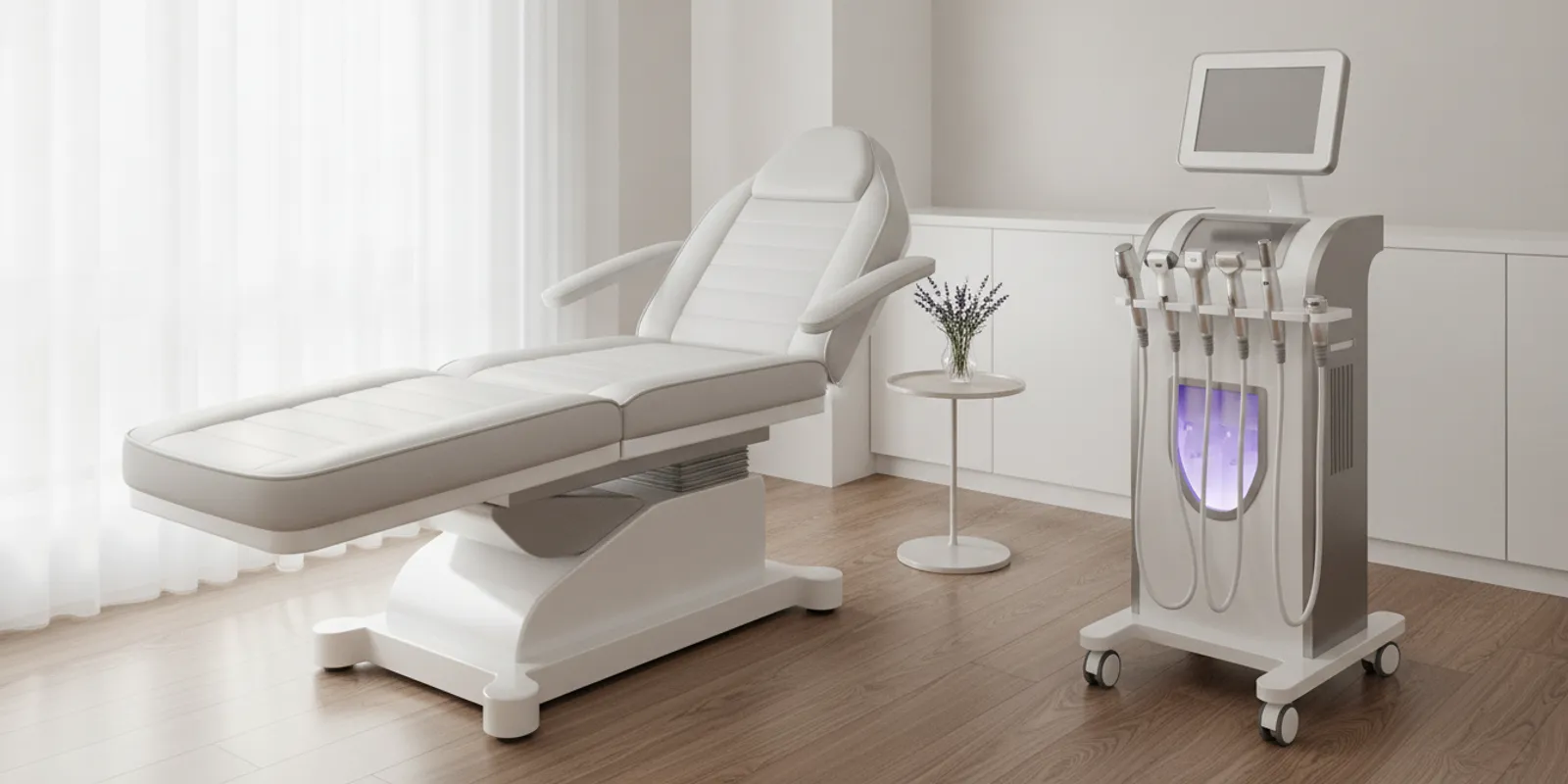
Aesthetic device insurance is worth discussing before a new system arrives, not after a loss or interruption. For practice owners, the useful first step is to map the equipment, the treatments and the people involved, then ask a licensed insurance professional which policies and endorsements may respond. This guide is an educational checklist, not legal, financial or insurance advice; coverage depends on the policy, facts and jurisdiction.
Call Emage Medical to discuss equipment
What does aesthetic device insurance need to address?
There may not be one policy called “aesthetic device insurance” that covers every risk. A device can be damaged, stolen, unavailable, used during a treatment, moved between locations or require service. Those situations may involve different policy sections, limits, exclusions or contracts. The names and availability of coverage vary by insurer and state.
Start by separating the questions into four areas:
- The equipment: What happens if the device or an accessory is damaged, lost or stolen?
- The treatment: What policy applies to a client allegation connected with a procedure?
- The practice: Could a covered event interrupt normal operations or affect other property?
- The service arrangement: Who is responsible for maintenance, repair, transit and replacement under the purchase and service documents?
Do not assume that coverage for the practice’s building or contents automatically covers every device in every circumstance. Ask the broker or agent to explain which policy language applies to the actual equipment and use. If you are still planning your business setup, Emage’s guide to opening a med spa can help frame broader practice-planning questions.
Which equipment details should you gather first?
A clear equipment inventory helps an insurance professional assess the request. For each system, collect its make and model, serial number, purchase date, invoice or other valuation document, and current location. Include handpieces, accessories, carts, software components and other items that may be separately valued or listed. Keep a copy of the inventory somewhere accessible if the practice location is unavailable.
Also describe how the equipment is used and stored. Is it used only at one address, or transported to events or another practice location? Is it leased, financed, owned outright, or temporarily on loan? Will more than one clinician operate it? Are there security controls, such as a locked room or a documented closing procedure? These details can affect how a policy is written, so share them accurately rather than guessing which ones matter.
For a new purchase, retain the quote, invoice, manuals, warranty, delivery record, training documents and any service agreement. A product warranty and insurance policy are different documents: ask what each one covers, what it excludes, and what steps are required to make a claim. If comparing equipment cost structures, review Emage’s hydradermabrasion equipment cost guide or its overview of equipment leasing, then discuss any ownership or contract implications with the relevant professionals.
How do property and equipment coverage questions differ?
Ask whether the practice’s property coverage includes the device, and whether the device must be listed separately. Confirm what valuation method applies: replacement cost, actual cash value or another basis. Do not infer the answer from the device’s original purchase price. Ask the insurer how depreciation, deductibles, sublimits and valuation documentation could affect a covered loss.
Clarify the covered locations and situations. Does the policy address theft from the practice, damage during delivery or installation, or transit to another location? Would coverage change if the equipment is stored in a vehicle or used away from the primary office? Does the practice need to report a move, loan or temporary off-site use in advance? Request written answers that refer to the policy wording or endorsement, not only a verbal summary.
Ask how the policy treats accessories and consumable supplies. A handpiece or component may have a different replacement cost from the main unit. The insurer can explain whether items are included within the device limit, covered under a separate limit or excluded. Record the response and who provided it.
What should you ask about treatment-related liability?
Equipment property coverage and liability coverage answer different questions. Property coverage concerns physical items and specified losses. Liability questions concern allegations arising from professional services, such as an injury or other harm a client says resulted from a treatment. This article cannot determine which policy responds, and no equipment purchase by itself establishes that a practice has appropriate professional liability coverage.
Ask a licensed insurance professional to review the treatments the practice actually offers, the devices used, the credentials and roles of the people providing services, and the settings where treatment takes place. Request a plain-language explanation of who and what is insured, the applicable limits and whether the policy has conditions related to supervision, training, protocols or specific procedures. Do not assume a policy for one service automatically extends to a new modality.
Where regulatory or professional requirements are relevant, get advice from the appropriate licensed professionals and authorities for your location. For example, the Washington State Board of Nursing’s guidance addresses delegation questions for medical, aesthetic and cosmetic dermatological procedures; it does not answer whether a particular insurance policy covers a specific treatment. See the Washington guidance on aesthetic procedures and delegation and ask your own insurer and counsel about the separate coverage question.
Could downtime or a service issue affect the practice?
A device that cannot be used may affect scheduling, but do not assume that lost income or the cost of a temporary replacement is insured. Ask whether business interruption or extra-expense coverage is available, what event must cause the interruption, whether equipment breakdown is treated differently from other property damage, and what waiting period, limit or documentation requirement applies.
Discuss realistic recovery plans with the insurer and equipment provider. Who should the practice call first? Is a loaner or temporary replacement part of a service agreement, or would it be separately arranged? How long might repair or replacement take, and what records should the practice keep while the device is unavailable? Avoid treating a warranty, maintenance contract or vendor support as a substitute for insurance unless the responsible professional confirms the exact scope.
Maintenance and service documents merit close review. A peer-reviewed article on incorporating aesthetic devices into dermatology practices notes that maintenance and service contracts should be included within the contract for financial consideration and insurance purposes. Read the article, “Incorporating Aesthetic Devices into a Dermatologic Practice”, as a prompt to ask how service terms interact with the purchase and insurance arrangements; have the insurer and contract adviser interpret your specific documents.
What exclusions and conditions deserve attention?
Ask the insurance professional to identify exclusions and conditions that could matter for your equipment and use. Do not rely on a generic checklist as a substitute for reading the policy. Depending on the wording, questions might involve wear and tear, mechanical or electrical breakdown, unattended property, faulty installation, unauthorized modification, off-premises use, cyber incidents affecting connected systems, or loss while equipment is being transported. These are topics to verify, not a statement that a particular policy excludes them.
Clarify notice and documentation duties. Ask how quickly the practice must report a loss, whether the insurer must approve a repair before work begins, and what evidence is needed. Find out whether the practice must keep inspection or maintenance records and whether a claim requires proof of purchase, photographs, service records or a police report. If a condition is unclear, request clarification in writing before relying on the coverage.
State rules and policy language can be specific. A Maryland Health Care Commission report, for example, examines existing coverage and potential coverage responses to proposed legislation on certain aesthetic services. That is a reminder to distinguish a policy or legislative discussion about services from a promise that a particular device loss is insured. The Maryland report on coverage for aesthetic services is not a substitute for reviewing your own contract and local requirements.
How can you compare the main coverage questions?
Use this table to organize a conversation with your insurance professional. It does not describe standard coverage or confirm that a policy will respond.
| Area to discuss | Example question | Documents or details to bring |
|---|---|---|
| Device property | Is each system and accessory listed, and how is a loss valued? | Inventory, serial numbers, invoices, current location |
| Transit and off-site use | Does the policy apply during delivery, transport or use away from the main address? | Locations, transport process, planned use |
| Professional liability | Are the practice’s specific procedures, providers and settings addressed? | Treatment menu, provider roles, credentials, protocols |
| Breakdown and downtime | What events may trigger repair, extra-expense or interruption coverage? | Service contract, maintenance plan, recovery procedures |
| Exclusions and duties | What exclusions, notice deadlines, deductibles and recordkeeping conditions apply? | Policy, endorsements, maintenance and incident records |
| Purchase and service terms | How do warranty, service, repair and replacement terms interact with insurance? | Purchase agreement, warranty, service documentation |
What questions should you take to an insurance professional?
Bring a concise description of the practice and the device. Ask direct questions and request that important answers be tied to the applicable policy section or endorsement. These prompts can help:
- Which policy or endorsement, if any, addresses this device and its accessories?
- Are the serial number, location, ownership status and intended use recorded accurately?
- What valuation method, deductible, limit or sublimit could apply to a covered loss?
- How does coverage differ for property damage, mechanical breakdown and a treatment-related allegation?
- Are the practice’s actual procedures and provider roles disclosed and addressed?
- What happens if the device is transported, loaned, moved or used at another location?
- What conditions apply to maintenance, repairs, inspections and service-provider selection?
- Could a covered event trigger business interruption or extra-expense coverage, and what are the limits and waiting periods?
- What exclusions, notification deadlines and claim documentation should the owner know?
- When should the practice tell the insurer about a new device, service or change in use?
Write down the answers, date, contact and any follow-up materials requested. Ask for the relevant declarations, endorsements or policy wording. If the answer depends on state law, professional scope or contract interpretation, consult the appropriate licensed adviser rather than treating an insurance conversation as legal advice.
How should a practice prepare before buying?
Build the review into the purchasing timeline. First, describe the planned treatments and identify who will operate the system. Second, gather product details, anticipated location, ownership or financing documents, warranty and service terms. Third, send that information to the insurance professional and ask what coverage changes, if any, should be considered before delivery. Finally, confirm that any agreed changes have been issued in writing and take effect when needed.
For a device purchase, equipment details are only one part of readiness. Consider the operating workflow, staff preparation, required documentation and plans for servicing. Emage’s overview of med spa consulting and its equipment planning resource may help you structure related business questions. Discuss insurance and contract terms with the relevant independent professionals.
How can you keep an equipment record ready for a claim?
Assign one person to maintain a current equipment file and a backup contact who knows where it is stored. The file can include the purchase record, serial number, photographs, accessories, warranty, service contract, maintenance history, insurance schedule and contact information for the insurer and equipment provider. Keep the record secure and accessible to authorized staff, including if the practice cannot enter its premises.
Record major events as they happen: delivery and installation, staff training, relocation, repair, inspection or a change in use. Note dates and retain invoices or service reports. If a loss occurs, follow the insurer’s instructions about notification, documentation and repair authorization. Do not discard damaged equipment or begin non-emergency repairs before asking what the policy requires. For urgent safety or operational issues, prioritize safety and contact the appropriate professionals.
When should you revisit the coverage discussion?
Insurance review is not only a purchase-day task. Revisit the conversation at policy renewal and when the practice adds a device, changes location, introduces a procedure, hires a new provider or changes how equipment is transported or stored. A change that seems routine to the practice may be material to how the insurer describes the risk. Ask the professional whether a notice or policy update is needed, and keep the answer.
It can help to schedule an annual inventory check alongside other practice records. Confirm that the listed equipment is still present, the addresses are correct, the valuation information is current and discontinued or replaced devices are handled appropriately. Compare the current documents with the practice’s actual treatment menu and service arrangements. If anything no longer matches, ask how to correct it rather than relying on an old application or informal email.
Frequently Asked Questions
Does general business property insurance cover an aesthetic device?
It depends on the policy, listed property, location, valuation terms, exclusions and the circumstances of loss. Ask the insurer to confirm in writing whether the specific device and accessories are included, and whether an endorsement or separate listing is needed.
Is device insurance the same as professional liability coverage?
No assumption should be made that they are the same. Ask separately about physical damage or loss to equipment and allegations related to professional services. A licensed insurance professional can explain how the policies available to your practice address those different exposures.
Does a warranty replace insurance?
A warranty and an insurance policy are separate agreements with their own scope and conditions. Ask the equipment provider what the warranty covers, then ask the insurer what the policy covers. Review any repair, maintenance and replacement responsibilities in writing.
When should I contact the insurer about a new system?
Ask before purchase or delivery, while there is time to clarify the equipment, location, use and effective date of any requested change. Tell the insurer if the system will move, be transported, be used for a new service or be operated by different people.
Talk with Emage Medical about an equipment evaluation
A careful review helps practice owners identify unanswered questions before a new device becomes part of daily operations. Confirm coverage, contract responsibilities and professional requirements directly with qualified advisers who can assess your practice and jurisdiction.