

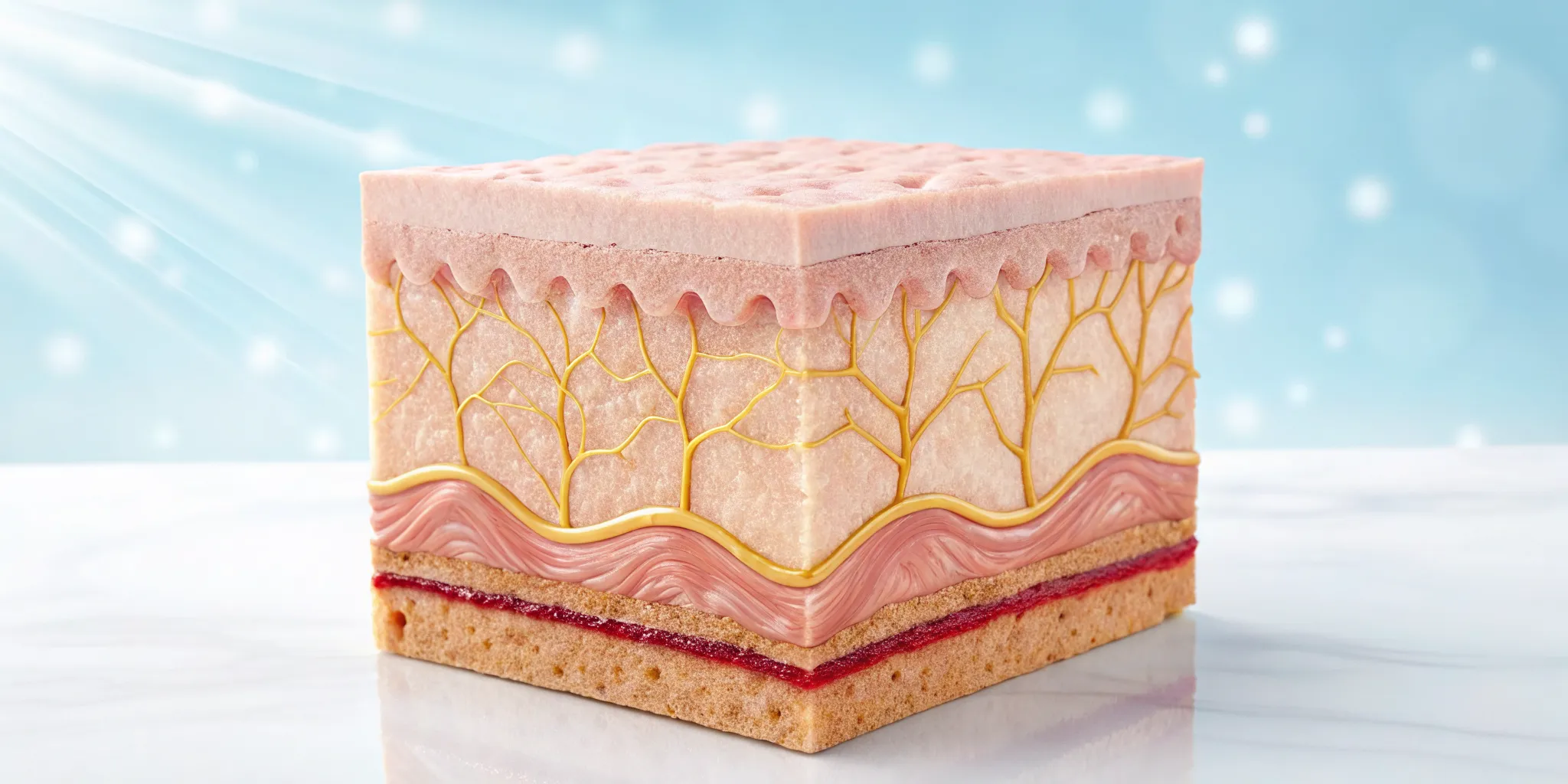
Your clients come to you seeking real, visible change. Delivering those results consistently is what builds a thriving practice. The key isn’t just having the right tools; it’s knowing precisely how and where to use them. This all comes down to your command of skin anatomy. When you can confidently explain to a client why a specific treatment targets the dermis to stimulate collagen, you build unparalleled trust. Using a skin diagram during consultations can transform a complex concept into a clear visual, empowering your clients and reinforcing your expertise. This guide will walk you through the skin’s structure, connecting anatomy directly to the results your clients crave.
Key Takeaways
- Effective treatment starts with anatomy: Your skin is built in three layers, the outer epidermis, the supportive dermis with its collagen and elastin, and the deep hypodermis, each requiring a unique approach for best results.
- Diagnose issues by pinpointing the source layer: Surface concerns like dullness and texture live in the epidermis, while deeper issues like wrinkles and laxity originate in the dermis, guiding your treatment strategy.
- Match your modality to the correct skin layer: Use treatments like hydradermabrasion to renew the epidermis and microneedling to stimulate collagen in the dermis, ensuring your technology addresses the anatomical root of the problem.
What Is a Skin Diagram?
A skin diagram is your practice’s roadmap. It’s a visual guide that breaks down the skin’s anatomy, showing its different layers and the tiny structures within them. For any aesthetic professional, having a firm grasp of this map is non-negotiable. It’s the foundation for diagnosing client concerns, explaining treatment plans, and ultimately, delivering results that go beyond the surface. Think of it as the essential first step before you even pick up a tool.
Meet the Three Main Layers of Skin
Your skin is made of three distinct layers, each with a specific job. The top layer is the epidermis, your skin’s protective shield against the outside world. It’s what you see in the mirror, and it’s constantly renewing itself. Beneath that is the dermis, which makes up about 90% of your skin’s thickness. This is where you’ll find collagen and elastin, the proteins that give skin its firmness and bounce, along with hair follicles and sweat glands. The bottom layer is the hypodermis, or fatty layer. It acts as a cushion for your muscles and bones, helps control your body temperature, and stores energy. Understanding your skin’s structure is fundamental to treating it effectively.
Key Cells Inside Your Skin
The epidermis might be thin, but it’s bustling with activity thanks to several key cells. The most common are keratinocytes, which produce the tough protein keratin that forms the skin’s barrier. Then you have melanocytes, the cells that create melanin, the pigment that determines skin color and provides natural protection from UV rays. Standing guard are the Langerhans cells, which are part of the immune system and defend against pathogens. Finally, Merkel cells are responsible for our sense of light touch. Knowing that the epidermis is a complex system of specialized cells helps you appreciate how treatments can influence its health and appearance from a cellular level.
How to Read a Labeled Skin Diagram
When you look at a labeled skin diagram, you’ll see the three main layers clearly marked: epidermis on top, dermis in the middle, and hypodermis at the base. Within these layers, you can pinpoint specific structures. Hair follicles and their associated sebaceous (oil) glands typically originate in the dermis and extend up through the epidermis. You’ll also spot sweat glands, blood vessels, and nerve endings woven throughout the dermis. By visualizing these layers, you can better understand how a condition like acne involves the sebaceous glands or how a treatment like microneedling creates change by reaching the dermis. It turns an abstract concept into a concrete, workable map.
The Epidermis: Your Skin’s Outer Shield
The epidermis is the part of the skin we see and touch every day. It acts as our body’s primary environmental shield, protecting us from UV radiation, pathogens, and water loss. But this outer layer is far more than just a simple covering. It’s a complex, multi-layered structure in a constant state of renewal. The entire life cycle of a skin cell plays out within the epidermis, a journey that begins in its deepest layer and ends with the cell shedding from the surface. This process of cell turnover is fundamental to skin health and appearance.
As an aesthetic professional, you know that many of the concerns your clients have, like uneven texture, dullness, pigmentation, and fine lines, are rooted in the epidermis. Treatments like chemical peels and hydradermabrasion are designed to work on this layer, accelerating cell turnover and revealing healthier, more radiant skin. Understanding the distinct function of each sub-layer allows you to choose the right treatments for your clients. Advanced skin imaging systems can even help you see what’s happening within the epidermis, giving you the insights needed to tailor your approach and track progress effectively.
Stratum Basale: The Foundation
Think of the stratum basale as the skin’s nursery. It’s the deepest layer of the epidermis, sitting right on top of the dermis. This is where new skin cells are born through continuous cell division. These new cells, called keratinocytes, begin their journey upward to the skin’s surface. This foundational layer also houses melanocytes, the specialized cells that produce melanin, the pigment responsible for skin color and our natural defense against UV rays. By creating a constant supply of fresh cells, the stratum basale ensures the epidermis can perpetually repair and renew itself, a process that is essential for maintaining a healthy skin barrier.
Stratum Spinosum: Strength and Flexibility
Just above the foundation lies the stratum spinosum, often called the “spiny layer.” This name comes from the appearance of the cells, which are connected by durable, interlocking structures called desmosomes. These connections act like spot welds between cells, giving the epidermis its strength and flexibility. This layer is typically 8 to 10 cell layers thick, forming a robust and resilient sheet. The stratum spinosum also contains immune cells called dendritic cells (or Langerhans cells). These cells act as sentinels, identifying foreign invaders and initiating an immune response to protect the body from infection.
Stratum Granulosum: Where the Barrier Forms
The stratum granulosum is a thin, granular layer where the final and most critical stages of keratinocyte maturation happen. As cells move into this layer, they begin to flatten and their internal structures break down. Here, they produce tiny granules of keratin and special lipids (fats). These components are essential for creating the skin’s waterproof barrier. As the cells prepare to die, they release these lipids into the extracellular space, forming a cement-like matrix that prevents water from escaping the body and stops irritants from getting in. This is where the skin truly forms its protective barrier.
Stratum Lucidum: The Hidden Layer
The stratum lucidum is a special, transitional layer that isn’t found all over the body. Its name means “clear layer,” which perfectly describes its transparent appearance. This thin layer of dead skin cells is located only in the thick skin of your palms and the soles of your feet. It provides an extra degree of toughness and protection for these high-friction areas. Because it’s absent in the thinner skin on the face and most of the body, it’s less of a focus for most aesthetic treatments, but it’s a key feature of the skin’s overall structure.
Stratum Corneum: The Frontline Defense
Finally, we arrive at the stratum corneum, the outermost layer of the epidermis and the skin’s frontline defense. This layer consists of 20 to 30 rows of flattened, dead keratinocytes filled with tough keratin protein. These cells, called corneocytes, are what we see and feel as our skin. They are constantly being shed in a process called desquamation, making way for the newer cells rising from below. The stratum corneum is the primary protective barrier against the outside world, and its health dictates how smooth, soft, and hydrated the skin appears. Many topical treatments and procedures aim to support or exfoliate this frontline defense.
The Dermis: Where the Real Work Happens
Beneath the epidermis lies the dermis, the thick, supportive layer where so much of the skin’s vital activity takes place. Think of it as your skin’s operational hub. Making up about 90% of your skin’s thickness, this is where you’ll find the structural proteins, glands, and vessels that are the focus of many advanced aesthetic treatments. Understanding the dermis is key to helping your clients achieve lasting results, as this is the layer where you can stimulate real, structural change. From producing collagen to delivering nutrients, the dermis does the heavy lifting to keep skin firm, resilient, and healthy.
Collagen and Elastin: The Skin’s Support System
The dermis gets its strength and resilience from a dense network of proteins, primarily collagen and elastin. Collagen provides the structural framework, giving the skin its firmness and durability. Elastin, as its name suggests, is the protein that allows skin to stretch and snap back into place, maintaining its flexibility. As we know, the production of these proteins slows over time, leading to fine lines and sagging. This is why treatments like microneedling, which create micro-injuries in the dermis, are so effective. They trigger the body’s natural healing process, stimulating new collagen and elastin growth for smoother, firmer skin.
Hair Follicles and Sebaceous Glands
The dermis is also home to the structures that grow hair and produce the skin’s natural oils. Each hair follicle is a small pocket from which a hair shaft grows. Attached to these follicles are tiny sebaceous glands that secrete an oily substance called sebum. Sebum travels up the follicle to the skin’s surface, where it helps to lubricate and waterproof the skin, keeping it soft and supple. When these glands become overactive or clogged, it can lead to conditions like acne. Understanding this connection is fundamental for both treating acne and performing services like hair restoration.
Sweat Glands and How They Regulate Temperature
Your body’s natural cooling system is located deep within the dermis. Sweat glands produce sweat, which travels through ducts to the skin’s surface. As the sweat evaporates, it cools the body down, helping to regulate its internal temperature. This process is controlled by the nervous system, which is why physical exertion, heat, or even emotional stress can cause us to sweat. These glands play a crucial role in maintaining homeostasis and are an integral part of the skin’s complex regulatory functions. Their activity helps keep the body’s internal environment stable, no matter the external conditions.
Blood Vessels for Nutrient Delivery
A healthy epidermis depends entirely on a well-nourished dermis. The dermis is crisscrossed with a network of tiny blood vessels that transport oxygen and essential nutrients to keep the skin alive and functioning. These vessels extend upward from the deeper hypodermis, supplying both the dermal structures and the basal layer of the epidermis, which has no blood supply of its own. This vascular network is also responsible for giving the skin its healthy color. Procedures like hydradermabrasion can help improve surface circulation, enhancing the delivery of nutrients for a more vibrant complexion.
Nerve Endings for Sensation
The dermis is what allows us to interact with and feel the world around us. It is rich with a variety of nerve endings that are responsible for sensations like touch, pressure, heat, cold, and pain. These sensory receptors are a critical part of the body’s protective system, alerting us to potential harm from things like sharp objects or extreme temperatures. For aesthetic professionals, understanding the location and sensitivity of these nerve endings is vital for managing client comfort during treatments that interact with the dermis, ensuring a safe and positive experience.
The Hypodermis: Your Body’s Built-In Cushion
Beneath the dermis lies the deepest layer of your skin: the hypodermis, also known as the subcutaneous tissue. Think of it as the essential foundation that supports everything above it. This layer is primarily made of adipose tissue (fat), which gives it a spongy, flexible quality. Its main job is to act as a shock absorber, cushioning your muscles, bones, and organs from impact and injury. It also anchors the skin to the underlying tissues while still allowing it to move and glide freely. For your practice, understanding this layer is key because changes here, like volume loss or redistribution of fat, directly impact the visible surface. When you’re considering treatments that address skin laxity or contouring, you’re often working with the effects rooted in this deep, supportive layer. A healthy hypodermis provides the plumpness and structure associated with youthful skin, so its integrity is crucial for achieving the results your clients want. It’s the layer that gives the face its shape and contour, and where age-related changes often first become apparent.
Adipose Tissue for Insulation
The adipose tissue in the hypodermis does more than just provide a cushion. It’s also your body’s personal insulation system. This fatty layer helps regulate your core body temperature by preventing heat from escaping, which is vital for maintaining a stable internal environment regardless of the weather outside. This function is a core part of homeostasis. For your practice, recognizing the hypodermis’s role in both padding and temperature control adds another dimension to your understanding of overall skin structure and function. A healthy subcutaneous layer contributes to a body that is not only protected but also efficiently self-regulating.
How the Hypodermis Supports the Layers Above
The hypodermis is the lifeline for the dermis and epidermis. It houses the larger blood vessels and nerve endings that branch upward, delivering the nutrients and oxygen necessary for healthy cell function in the upper layers. Without this robust support system, the dermis couldn’t produce collagen and the epidermis couldn’t regenerate effectively. This connection is why the health of the subcutaneous tissue is so important. It physically holds the skin in place, connecting it to the deep fascia covering your muscles. As we discuss different aesthetic treatments, remember that a holistic approach often involves supporting all layers of the skin for the best possible outcomes.
How Does the Skin Protect and Regulate Your Body?
Your skin is so much more than what you see in the mirror. It’s a dynamic, hardworking organ that serves as a sophisticated shield and a complex regulatory system. Every day, it defends against external threats while maintaining the delicate internal balance your body needs to function. Understanding these protective and regulatory roles is fundamental to providing effective aesthetic treatments that support the skin’s natural abilities. From creating a physical barrier to managing body temperature, the skin is constantly working to keep the body safe and stable.
Creating a Barrier Against Pathogens and UV Rays
Think of the skin as the body’s dedicated security guard. Its primary job is to create a strong barrier between your internal systems and the outside world. This barrier is your first line of defense against a host of potential threats, including bacteria, viruses, pollutants, and chemicals. The outermost layer of the epidermis is particularly crucial, acting as a physical shield. It also plays a vital role in preventing excessive water loss, helping the body stay hydrated. When this barrier is compromised, it can lead to dryness, sensitivity, and a higher risk of infection, which is why so many aesthetic treatments focus on restoring and strengthening this essential function.
How Melanin Protects You From the Sun
The skin has its own built-in sun protection system: melanin. Produced by cells called melanocytes, melanin is the pigment that gives skin its unique color. But it does more than that. Melanin acts like a natural sunscreen, absorbing harmful ultraviolet (UV) radiation from the sun before it can penetrate deeper into the skin and damage cellular DNA. When your skin is exposed to UV light, it signals the melanocytes to produce more melanin in an attempt to protect itself, which is what causes a tan. While this process offers some defense, it’s not enough to prevent all sun damage, making professional-grade sun protection a non-negotiable for every client.
Regulating Temperature and Responding to Threats
Beyond its role as a barrier, the skin is a key player in regulating your body’s internal thermostat. When you get too warm, sweat glands release sweat, which cools the skin as it evaporates. Tiny blood vessels near the skin’s surface also widen to release heat. Conversely, when you’re cold, these vessels constrict to conserve warmth. The skin is also equipped with a network of nerve endings that provide constant feedback about your environment. These nerves allow you to feel sensations like heat, cold, pressure, and pain, acting as an early warning system to help you avoid injury. This sensory function is essential for client safety and comfort during any aesthetic procedure.
Common Skin Conditions by Layer
A solid understanding of skin anatomy helps you pinpoint the root cause of your clients’ concerns. Different conditions originate in different layers of the skin, and knowing where an issue lies is the first step toward choosing an effective treatment plan. From surface-level irritation to deeper structural changes, let’s look at some common conditions and where they appear in the skin’s structure. This knowledge is fundamental for recommending targeted therapies, from hydradermabrasion for epidermal issues to microneedling for dermal repair.
Conditions in the Epidermis: Acne, Eczema, and Psoriasis
The epidermis is your client’s first line of defense. This outermost layer acts as a shield, protecting the body from UV radiation, germs, and environmental irritants. When this barrier is compromised, it can lead to some of the most common skin complaints. Conditions like acne, eczema, and psoriasis all manifest in the epidermis. They often present as inflammation, redness, irritation, and noticeable changes in skin texture. Addressing these issues typically involves treatments that can calm inflammation, repair the skin barrier, and regulate cell turnover right at the surface, helping restore the skin’s protective function and smooth appearance.
Conditions in the Dermis: Scarring and Rosacea
Just beneath the epidermis lies the dermis, a thicker layer made of tough connective tissue. This is where you’ll find collagen, elastin, blood vessels, and nerve endings. When this layer is affected, the issues can be more persistent. For example, scarring from acne or injury occurs when the dermis is damaged and the body’s healing process creates fibrous tissue. Rosacea is another dermal condition, characterized by persistent redness and visible blood vessels on the face. Because these conditions originate deeper within the skin, they often require treatments that can stimulate collagen production or target vascular issues to create lasting change.
Conditions in the Hypodermis: Structural Changes
The hypodermis, or subcutaneous layer, is the deepest layer of the skin, composed mainly of fat and connective tissue. It provides insulation, stores energy, and acts as a cushion for the layers above. While less prone to surface inflammation, this layer is where significant structural changes can occur. Issues related to fat distribution, volume loss, and the breakdown of supportive tissue originate here. These changes can affect the overall contour and firmness of the skin. Addressing concerns in the hypodermis often involves treatments that go beyond the surface to restore volume or support the skin’s underlying framework.
How to Manage and Prevent Common Skin Conditions
While professional treatments are essential, you can also empower your clients with foundational knowledge for long-term skin health. Simple healthy diet habits and proper hydration are crucial for optimal skin cell function, as the skin often reflects a person’s overall wellness. Beyond diet, one of the most important things anyone can do for their skin is to protect it from the sun. Consistent, daily use of a broad-spectrum sunscreen helps prevent wrinkles, age spots, and other signs of premature aging caused by sun exposure. This simple step supports the results of your treatments and promotes lasting skin vitality.
How Skin Anatomy Changes With Age
As your clients get older, their skin tells a story of their life, genetics, and habits. Understanding the anatomical shifts that happen over time is fundamental to providing effective aesthetic treatments. The visible signs of aging, like wrinkles and sagging, are just the surface-level results of deeper changes happening within the epidermis, dermis, and even the hypodermis. These changes are driven by a combination of intrinsic factors (the natural aging process) and extrinsic factors (like sun exposure and lifestyle). By grasping how the skin’s structure evolves, you can better educate your clients and choose interventions that deliver real, lasting results by targeting the root cause of their concerns.
Changes in Collagen, Elastin, and the Epidermis
The most significant changes associated with aging happen in the dermis. As people age, the body’s production of collagen and elastin slows down. These two proteins are the scaffolding that gives skin its firmness and elasticity. According to the Cleveland Clinic, this loss causes the dermis to thin, which leads to the skin sagging and forming wrinkles. At the same time, the epidermis also becomes thinner, and the junction between the epidermis and dermis flattens. This reduces nutrient transfer and makes the skin more fragile. These structural declines are what your clients often notice first, prompting them to seek out treatments that can help restore that youthful support system.
The Impact of Sun and Other Environmental Factors
While genetics play a role, environmental factors are major contributors to how skin ages. A lifetime of sun exposure is one of the biggest culprits, leading to wrinkles, fine lines, and age spots. More importantly, as the Mayo Clinic notes, it significantly increases the risk of skin cancer. The skin’s primary job is to act as a barrier against environmental threats like UV light and pollution. Over time, these external stressors can compromise this protective function, accelerating the aging process. This is why client education on daily sunscreen use and protective measures is just as important as the treatments you provide in your practice.
What Aging Means for Skin Health and Treatments
The condition of the skin often reflects a person’s overall health. Factors like diet, stress, and lifestyle choices can directly impact skin function and appearance. When the skin’s structure is compromised by age and environmental damage, it doesn’t just affect how it looks; it also affects how it works. Its ability to retain moisture, repair itself, and even perceive sensations can diminish. Understanding these underlying changes is key to developing effective treatment plans. It allows you to move beyond temporary fixes and recommend advanced aesthetic solutions that support the skin’s long-term health and address the anatomical source of your clients’ concerns.
How Skin Anatomy Guides Aesthetic Treatments
A deep understanding of skin anatomy is the foundation of any successful aesthetic practice. When you know exactly how the skin is structured and how each layer functions, you can move beyond offering one-size-fits-all services. This knowledge allows you to diagnose client concerns with precision and select treatments that deliver targeted, effective, and lasting results. It’s the difference between simply performing a procedure and truly transforming your client’s skin health from the inside out.
Why Targeting the Right Layer Matters
Your client’s skin is a complex, multi-layered organ. The top layer, the epidermis, acts as a protective shield, while the middle dermis provides structural support, and the bottom hypodermis offers insulation. Each layer has a distinct role, and effective treatments are designed to target the specific layer where a concern originates. For example, a treatment for fine lines caused by collagen loss must reach the dermis, while a procedure for dull surface texture should focus on the epidermis. Understanding the skin’s structure allows you to create a treatment plan that addresses the root cause of an issue, ensuring better, more predictable outcomes for your clients.
How Microneedling Interacts With Skin Structure
Microneedling is a perfect example of a treatment designed to work with the skin’s natural anatomy. By creating controlled micro-injuries, devices like the CytoPen® trigger the body’s healing response deep within the dermis. This process is a powerful way to stimulate new collagen and elastin production, the essential proteins that give skin its firmness and elasticity. As the skin heals, it becomes smoother, firmer, and more youthful-looking. This targeted dermal stimulation is what makes microneedling so effective for addressing concerns like acne scars, wrinkles, and poor skin texture, creating visible improvements by rebuilding the skin’s foundational structure.
How Hydradermabrasion Renews the Skin’s Surface
While microneedling works its magic in the dermis, hydradermabrasion focuses on revitalizing the epidermis. This treatment provides a gentle yet effective way to refresh the skin’s appearance. Using a device like the CytoPeel®, you can perform mechanical exfoliation to remove the dead, dull cells from the stratum corneum. At the same time, the technology infuses the newly revealed skin with hydrating and nourishing serums. This dual-action approach immediately improves surface texture and tone, giving clients a healthy, radiant glow without the downtime of more intensive procedures. It’s an ideal treatment for maintaining skin health and providing instant rejuvenation.
How Skin Imaging Reveals What’s Beneath the Surface
You can’t treat what you can’t see. Many skin conditions, like sun damage, inflammation, and vascular issues, begin in the deeper layers long before they are visible on the surface. This is where advanced skin imaging systems become an indispensable tool in your practice. These devices allow you to look beneath the epidermis to accurately assess underlying skin health. By visualizing pigmentation, sebum production, and vascularity, you can create highly personalized and effective treatment plans. This technology not only improves your diagnostic accuracy but also helps you track progress and demonstrate the value of your treatments to clients.
Choose Treatments That Support Long-Term Skin Health
The ultimate goal of any aesthetic treatment should be to support the skin’s long-term health and function. Your skin is a vital organ responsible for protection, temperature regulation, and moisture retention. The best treatments work in harmony with these natural processes. By choosing technologies that enhance the skin’s barrier function and promote cellular health, you empower your clients to achieve sustainable results. This approach builds trust and positions your practice as a partner in their lifelong skin wellness journey. When you prioritize long-term health, you deliver results that go far beyond a temporary fix.
Frequently Asked Questions
What’s the most important layer of skin to focus on for anti-aging treatments? That’s a great question, but there isn’t a single “most important” layer. Think of it as a team effort. The dermis is where you find the collagen and elastin that provide structural support, so treatments that reach this layer are essential for addressing wrinkles and sagging. However, the epidermis is what everyone sees. A healthy, well-functioning epidermis looks smooth, radiant, and even-toned. The best approach is holistic, using treatments that support the structural integrity of the dermis while also ensuring the epidermis is healthy and renewed.
How can I explain skin anatomy to my clients without overwhelming them? The key is to use simple, relatable analogies. I often compare the skin to a house: the hypodermis is the foundation, the dermis is the structural frame, and the epidermis is the paint and siding that everyone sees. You can also explain that issues like deep wrinkles are a problem with the “frame,” while dullness is an issue with the “paint.” Using a visual tool, like a skin imaging system, can also be incredibly helpful. It turns abstract concepts into a clear picture your client can see and understand.
Why do treatments like microneedling and hydradermabrasion target different layers? They target different layers because they are designed to solve different problems. Microneedling creates tiny channels into the dermis to stimulate your body’s natural collagen production, which is perfect for rebuilding the skin’s support structure to improve scars and deep wrinkles. Hydradermabrasion, on the other hand, works on the epidermis. It exfoliates the outermost dead skin cells and infuses the surface with hydration, giving an immediate improvement in texture and glow. Choosing the right one depends entirely on the client’s primary concern and its anatomical origin.
If the epidermis is constantly shedding, why do treatments that target it have lasting effects? While it’s true that the outermost cells are always shedding, treatments focused on the epidermis do more than just provide a temporary polish. By properly exfoliating and hydrating, you are helping to regulate and improve the entire process of cell turnover. This encourages healthier, stronger cells to make their way to the surface and strengthens the skin’s protective barrier. A stronger barrier is better at retaining moisture and defending against irritants, which leads to skin that is consistently healthier, clearer, and more resilient over time.
How does a skin imaging system help me apply this anatomical knowledge in my practice? A skin imaging system is like having x-ray vision for the skin. It allows you to see what’s happening beneath the surface, in the layers you can’t assess with the naked eye. You can identify underlying sun damage, inflammation, or excess sebum production before these issues become major visible problems. This information allows you to create truly personalized treatment plans based on your client’s specific anatomical needs. It also provides a powerful way to track progress and visually demonstrate to your clients how your treatments are improving their skin’s health from the inside out.