

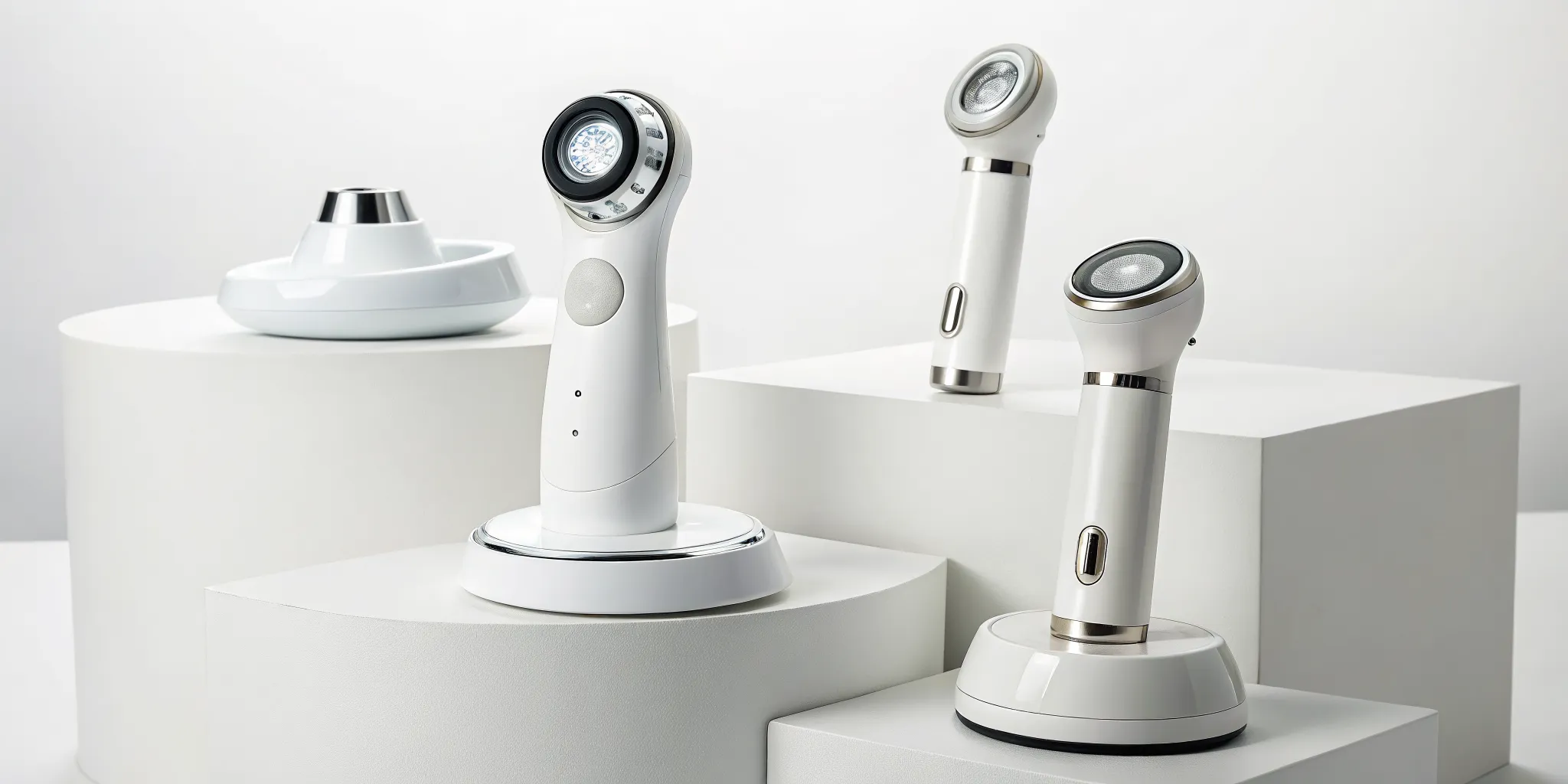
The initial consultation is your best chance to build trust, but it’s also where clients can feel the most skeptical. You can see the subtle signs of sun damage or dehydration, but explaining that to a client can sometimes feel like a sales pitch. This is where a skin analysis machine changes the entire conversation. Instead of just telling a client what they need, you can show them. This powerful tool uses advanced imaging to reveal underlying skin concerns with undeniable clarity, turning a subjective assessment into an objective, data-driven diagnosis. It provides the concrete evidence you need to create personalized treatment plans and build immediate credibility.
Key Takeaways
- Focus on Business Growth, Not Just Diagnostics: A skin analysis machine is a powerful business tool that builds client trust and increases revenue by providing clear, visual data to support your treatment and product recommendations.
- The Best Machine Is the Right Fit for Your Practice: The ideal device aligns with your specific services, client flow, and budget. Choosing the right technology for your unique business goals is more important than simply picking the most expensive option.
- Technology Supports, It Doesn’t Replace, Your Expertise: This tool enhances your professional skill, so prioritize vendors that offer comprehensive training, ongoing support, and robust, HIPAA-compliant security to maximize your investment and protect your practice.
What Is a Skin Analysis Machine?
At its core, a skin analysis machine is a device that uses advanced imaging technology to see what the naked eye can’t. Think of it as a high-tech magnifying glass for the skin. These systems use a combination of specialized lighting and camera technology, often paired with intelligent software, to capture a detailed picture of a client’s skin health. This gives you a clear, objective starting point for every consultation.
An AI skin analysis machine uses computer vision to scan the face, identify specific concerns like fine lines, pore size, or hyperpigmentation, and quantify their severity. Instead of just talking about skin issues, you can show your clients exactly what’s happening on and beneath the surface. This data-driven approach helps you recommend the most effective treatments and products, turning a standard consultation into a powerful, educational experience. For your practice, it’s a tool that builds credibility and helps clients feel confident in your expertise.
Hardware vs. AI: What’s the Real Difference?
When you start looking at skin analyzers, you’ll see terms like “hardware” and “AI software” used a lot. It’s helpful to know what sets them apart. Hardware-based systems, like many professional in-office devices, are excellent at revealing hidden, subsurface conditions. They use multiple light modes (like UV light) to show sun damage, bacteria, and other issues lurking beneath the skin’s surface.
On the other hand, AI software systems are fantastic for analyzing visible and mid-depth skin problems. They rely on powerful algorithms to detect concerns from a standard digital image. The key to their accuracy is consistency. These systems need good, even lighting to work their best. Many modern machines actually combine the best of both, using dedicated hardware to capture perfect images and AI to analyze them.
The Role of AI in Modern Skin Analysis
AI is quickly changing what clients expect from a skincare consultation. What was once a futuristic concept is now a fundamental part of a modern, personalized experience. AI-powered analysis gives you the ability to identify up to 15 different skin concerns, from wrinkles and redness to texture and dark spots, all in a matter of seconds. This allows you to move beyond a one-size-fits-all approach and create truly customized treatment plans.
This technology also serves as a powerful educational tool. When clients can see a visual representation of their skin’s condition, they are more likely to understand the “why” behind your recommendations. This visual proof builds trust and empowers them to invest in their skin health. Integrating this technology shows you are a forward-thinking practice dedicated to providing the best possible results, which is a key piece of your marketing support.
Must-Have Features for Your Skin Analysis Machine
When you’re ready to invest in a skin analysis machine, it’s easy to get lost in the technical specifications. The right machine does more than just take a picture; it becomes a cornerstone of your consultation process, helping you build trust and create effective treatment plans. To make sure you’re choosing a system that will truly benefit your practice, focus on these essential features that separate a good machine from a great one.
Advanced Imaging and Light Modes
The most powerful feature of a skin analysis machine is its ability to see what the naked eye cannot. Look for a system with multiple light modes, like polarized and UV lighting, which can reveal underlying issues like sun damage and pigmentation. With advanced skin imaging systems, you can show clients concrete visual evidence of their skin concerns, making your treatment recommendations that much more impactful and trustworthy.
Multi-Angle Scanning and Real-Time Results
A single, flat image can’t capture the full story of your client’s skin. The best machines offer multi-angle scanning to create a comprehensive, 3D-like view of the face, ensuring you don’t miss a thing. Some advanced devices can even analyze skin in real-time as the client moves, providing a more dynamic and accurate assessment. This gives you the detailed information needed to build a truly personalized treatment plan.
AI-Powered Reporting and Insights
The hardware is only half the equation; the software’s intelligence is what turns images into actionable insights. A top-tier machine uses AI to automatically detect and quantify a wide range of skin concerns, from wrinkles to acne. The system should generate a detailed, data-driven report that serves as a roadmap for recommending specific services, like microneedling for texture or a peel for pigmentation.
User-Friendly Client Interface
While the technical data is for you, the report must also be clear and compelling for your client. A confusing interface will only overwhelm them. Look for a system that presents its findings in a clean, visual, and intuitive way, using side-by-side comparisons and graphical scoring. When a client can clearly see the “before,” they understand the “why” behind your recommendations and feel more confident in their treatment journey.
Seamless Workflow Integration
A new piece of technology should make your life easier, not add another complicated step to your day. The best systems are designed for seamless integration, allowing you to easily save client reports, track progress over time, and connect with your existing EMR or client management software. A smooth workflow saves you valuable time and lets you focus on what you do best: caring for your clients.
Data Security, HIPAA, and Ongoing Updates
In a medical setting, client privacy is paramount. Any machine you consider must be fully HIPAA compliant to protect sensitive client information and safeguard your practice from liability. Also, ask about the company’s policy on software updates. You want a partner who provides ongoing updates to keep your device’s features sharp, its analysis accurate, and its security protocols current.
How the Top Skin Analysis Machines Stack Up
With so many options on the market, figuring out which skin analysis machine is right for your practice can feel overwhelming. Each one brings something different to the table, from powerful AI diagnostics to specialized lighting that uncovers hidden damage. To make your decision easier, let’s break down how the top five contenders compare, looking at what makes each one a standout choice for aesthetic professionals. The key is to find a machine that not only delivers incredible insights but also fits seamlessly into your workflow and helps you grow your practice.
We’ll look at the unique strengths of each system, from the hardware-intensive units that provide unparalleled detail to the flexible software solutions that work on a tablet. Understanding these differences will help you identify which features align with your practice’s services, client base, and business goals. Whether you’re focused on creating data-driven treatment plans, enhancing your client consultations, or tracking progress with scientific precision, there’s a machine designed to support your work. This comparison will give you a clear view of the landscape, highlighting the core technologies and benefits of each leading model. By the end, you’ll have a much better idea of which system will be the best partner for your practice’s growth and your clients’ results.
Image Pro® by Emage Medical
Think of the Image Pro® as your ultimate diagnostic partner. This machine is built for professionals who want to go beyond the surface to deliver truly personalized care. Using a combination of advanced lighting modes, including RGB, polarized, and UV light, it captures high-definition images that reveal everything from sun damage and pigmentation to texture and wrinkles. The Image Pro® series is designed to give you a complete picture of your client’s skin health. This level of detail allows you to create highly effective treatment plans, track progress with precision, and educate your clients in a way that builds immense trust and confidence in your expertise.
VISIA Complexion Analysis System
You’ve likely heard of the VISIA, and for good reason. It has long been an industry benchmark, known for its robust analysis and repeatable imaging. The VISIA system uses a multi-point positioning system and live image overlay to ensure every scan is consistent, which is crucial for tracking a client’s progress over time. Its combination of standard, cross-polarized, and UV lighting uncovers a wide range of conditions. Where it really shines is in its quantitative analysis, providing percentile scores that compare your client’s skin to a massive database of others in their age and skin type group. This data-driven approach is perfect for demonstrating the value of your treatments.
Zemits VeraFace
If speed and artificial intelligence are what you’re after, the Zemits VeraFace is a compelling option. This machine is designed for the fast-paced environment of a modern med spa, delivering a full skin report in under 15 seconds. It uses AI to assess 12 different skin concerns, including hydration levels, pore size, and acne. One of its most interesting features is its ability to predict how a client’s skin might age over the next three to five years, creating a powerful talking point during consultations. With a high-quality 20-megapixel camera, the VeraFace ensures the images are crisp and clear, helping you and your client see exactly what’s going on.
Perfect Corp
For practices looking for a flexible, software-based solution, Perfect Corp offers a different approach. Instead of a large hardware unit, its AI Skin Analysis technology runs on a tablet, phone, or web browser, making it incredibly versatile and accessible. The software can identify up to 15 different skin concerns and is trained on a massive library of over 70,000 medical-grade images, giving it a reported 95% reliability rate. This makes it a trusted tool for virtual consultations or for practices that want to introduce AI diagnostics into your client experience with minimal overhead.
Meicet
Meicet has carved out a niche for itself with its incredibly detailed skin mapping and multi-angle analysis. This machine is a powerhouse for practices that specialize in treating complex concerns like stubborn dark spots, acne scarring, and advanced signs of aging. It uses a suite of five to ten different light spectrums to create a comprehensive, 360-degree view of the skin, leaving no stone unturned. The Meicet analyzer excels at providing the kind of in-depth visual evidence needed to plan and execute sophisticated, multi-step treatment protocols. Its detailed reports help you explain the “why” behind your recommendations, making it easier for clients to commit to their skincare journey.
Breaking Down the Cost of Skin Analysis Machines
Understanding the investment for a skin analysis machine can feel overwhelming, but the costs vary widely. The price depends on the technology, features, and level of support included. From simple software apps to comprehensive hardware systems, there’s an option for nearly every practice size and budget. Thinking about the price as an investment in your practice’s growth can help you see the long-term value. Let’s look at the typical price ranges you can expect to find.
Entry-Level and Software-Only Options
Not long ago, skin analysis was limited to bulky, expensive machines. Now, the market includes accessible software-based tools that can run on a tablet or computer. Some AI skin analysis platforms operate on a subscription model, with prices starting as low as a few dollars a month and scaling with usage. These options are a great starting point for solo practitioners or smaller spas wanting to introduce clients to objective skin assessments without a major upfront investment. While they may not have the advanced lighting or imaging of a dedicated device, they offer a professional touch to your consultations.
Mid-Range Professional Machines
For practices ready to invest in dedicated hardware, mid-range machines offer a sweet spot between functionality and price. These devices typically cost between $2,000 and $5,000. In this category, you’ll find standalone units with integrated cameras, multiple light modes, and more detailed reporting capabilities than software-only options. They are designed to be reliable workhorses for med spas and dermatology clinics that perform frequent skin consultations. These machines provide the tangible, in-depth analysis that helps you build effective treatment plans and gain client trust, making them a popular choice for growing practices.
High-End, All-in-One Systems
At the top of the market are high-end, all-in-one systems, with prices ranging from $7,000 to over $20,000. These advanced machines, like Canfield’s VISIA or our own Image Pro® Skin Imaging Systems, are built for established medical practices and high-end clinics that require the most sophisticated technology. They offer superior imaging quality, extensive analysis of subsurface skin conditions, and features like 3D facial modeling. While the initial investment is significant, these systems position your practice as a leader in cutting-edge aesthetic technology, justifying premium service pricing and attracting discerning clients.
Smart Financing and Available Deals
The sticker price isn’t the final word. Many providers understand that this is a significant purchase and offer ways to make it more manageable. Look for companies that provide flexible financing programs to help you acquire the technology you need without disrupting your cash flow. Also, consider the total value beyond the machine itself. Some packages include comprehensive training, extended warranties, and even marketing support to help you promote your new service. These valuable additions can make a higher-priced machine a smarter long-term investment for your practice’s success.
How a Skin Analysis Machine Impacts Your Bottom Line
Investing in a high-quality skin analysis machine is about more than just adding new technology to your practice; it’s a strategic move that directly affects your revenue. This single piece of equipment can become one of your practice’s most valuable assets, transforming the client journey from the very first consultation. It shifts your practice from subjective assessments to data-driven precision, giving you undeniable visual evidence to support your recommendations. By showing clients exactly what’s happening beneath the surface of their skin, you create a clear, compelling case for the treatments and products you offer.
This data-driven approach doesn’t just lead to better clinical outcomes; it builds a stronger, more profitable practice by increasing treatment acceptance, boosting retail sales, and fostering long-term loyalty. It’s a powerful business tool that refines nearly every aspect of your client interactions. When you’re ready to make this kind of investment, exploring flexible financing programs can make acquiring top-tier technology more accessible. The following sections break down exactly how this technology can become a cornerstone of your business growth.
Enhance Client Consultations
The initial consultation is your first and best chance to establish expertise and build rapport. A skin analysis machine makes this process incredibly effective. Instead of just talking about issues like sun damage or clogged pores, you can show clients high-resolution images that make these problems visible. This visual evidence from an Image Pro® system helps clients understand their skin condition on a deeper level, turning abstract concepts into tangible proof. When a client can see the analysis for themselves, they are more likely to understand the value and necessity of the treatments you propose. This shifts the conversation from selling a service to solving a clearly defined problem, leading to higher treatment acceptance rates.
Create Personalized Treatment Plans
A one-size-fits-all approach simply doesn’t work in aesthetics. A skin analysis machine gives you the detailed data you need to design truly personalized treatment plans. By identifying specific concerns like hydration levels, pigmentation, and skin texture, you can recommend the most effective aesthetic technologies for each individual. For example, the data might point to a need for a series of microneedling sessions to address fine lines, followed by a specific at-home skincare regimen to maintain results. This level of customization shows clients that you are invested in their unique journey and aren’t just pushing a standard service, which strengthens their confidence in your practice.
Build Client Trust and Education
Trust is the cornerstone of any successful aesthetic practice. Skin analysis machines are powerful tools for building that trust through transparency and education. When you use the machine to track a client’s progress over time, you provide concrete, visual proof that your treatments are working. Seeing their own before-and-after images side-by-side is incredibly validating for clients and reinforces their decision to invest in your services. This process educates them about their skin and empowers them to take an active role in their care. A client who feels informed and sees tangible results is a client who trusts you completely.
Increase Service and Retail Sales
When recommendations are backed by data, they feel less like a sales pitch and more like a prescription. A skin analysis machine makes upselling and cross-selling services and products feel natural and logical. If the scan reveals significant congestion and dehydration, it’s easy to explain why a hydradermabrasion treatment is the ideal solution. Similarly, if it detects underlying sun damage, recommending a vitamin C serum and a high-SPF sunscreen becomes a necessary part of their care plan. This targeted approach, based on the machine’s findings, consistently leads to higher service and retail sales per client.
Improve Client Retention and Loyalty
Happy clients who see results are loyal clients who return. By integrating a skin analysis machine into your practice, you create an exceptional experience that sets you apart from the competition. The combination of enhanced consultations, personalized plans, and proven results makes clients feel seen, understood, and cared for. This premium experience becomes a key reason they choose to stay with your practice for the long term. Offering this level of detailed, personalized care is a powerful retention strategy, and the ongoing marketing support you receive can help you highlight this unique offering to attract even more loyal clients.
Debunking Common Myths About Skin Analysis Machines
Skin analysis technology has come a long way, but so have the misconceptions surrounding it. As you consider adding a machine to your practice, it’s easy to get tangled in myths that can cloud your judgment. Let’s clear the air and separate fact from fiction so you can make a confident, well-informed decision for your business. Understanding the truth behind these common myths will help you choose a device that truly serves your clients and your bottom line.
Myth: The Most Expensive Machine Is Always Best
It’s tempting to think that a higher price tag automatically equals better quality, but that’s not the case with skin analysis machines. The market offers different types of devices tailored to specific needs, from high-precision clinical machines used in research to more streamlined aesthetic models perfect for med spas. The “best” machine isn’t the most expensive one; it’s the one that fits your practice’s workflow, client volume, and service menu. A faster, more affordable aesthetic machine might be the ideal choice for a busy salon, providing quick, reliable analyses without the cost of a research-grade unit.
Myth: It Replaces a Professional’s Diagnosis
A skin analysis machine is a powerful assistant, not a replacement for your professional expertise. While these devices are incredibly accurate at identifying and tracking concerns like wrinkles, pores, and pigmentation, they cannot diagnose medical conditions. Think of it as an advanced tool that provides objective data to support your consultations. Your training and experience are what allow you to interpret that data, educate the client, and create a safe and effective treatment plan. The technology enhances your skills; it doesn’t make them obsolete.
Myth: All Machines Handle Every Skin Type Equally
This is a critical point to consider. The accuracy of an AI-powered skin analysis machine depends entirely on the data it was trained on. Some older or less sophisticated models may show biases and be less accurate when analyzing darker skin tones because their training data wasn’t diverse enough. When vetting potential machines, always ask the vendor about the diversity of their AI’s training dataset. A truly professional system should be validated across all Fitzpatrick skin types to ensure you can provide equitable and accurate consultations for every single client who walks through your door.
Myth: You Don’t Need Training to Operate It
While modern skin analyzers are designed to be user-friendly, operating the device is only half the battle. Proper training is essential to unlock the full potential of your investment. Understanding the nuances of the software, how to interpret the reports, and, most importantly, how to communicate the findings to your clients are skills that require guidance. Comprehensive training and support ensure you can use the machine confidently and effectively, turning every analysis into an opportunity to build trust and drive sales. Without it, you risk owning a powerful tool that you can’t use to its full advantage.
Myth: Client Data Is Never at Risk
In our digital world, data security is non-negotiable, especially in a medical or aesthetic setting. When a skin analysis machine collects and stores client photos and personal information, you become responsible for protecting that data. It’s crucial to choose a system from a vendor that prioritizes security. For practices in the United States, this means selecting a HIPAA-compliant platform. Always be clear on the vendor’s policies for data collection, storage, and usage, and ensure you have your clients’ informed consent. This protects your clients and your practice.
Find the Right Skin Analysis Machine for Your Practice
Choosing the right skin analysis machine is a big decision, but it doesn’t have to be overwhelming. The best device isn’t necessarily the most expensive or the one with the most features; it’s the one that fits seamlessly into your practice. Think about your specific goals, your clients, and your team. By focusing on a few key areas, you can confidently select a machine that acts as a true partner in your practice’s growth. Let’s walk through the essential factors to consider.
Match the Machine to Your Services
First, think about the services you currently offer and where you want to expand. Are you a clinical dermatology practice focused on medical-grade treatments, or a med spa specializing in aesthetic services like facials and peels? The market generally offers two types of machines: clinical-grade systems built for deep, precise diagnostics and aesthetic-focused devices designed for speed and client engagement in a spa or salon setting. A clinical machine might offer more in-depth analysis, while an aesthetic one can provide quick, compelling visuals that help sell products and treatments. Aligning the machine’s capabilities with your menu of services ensures it will support, not complicate, your daily workflow.
Consider Your Space and Client Volume
Next, take a look at your physical space and daily schedule. Large hardware systems provide incredible clinical insights but require a dedicated spot in a consultation or treatment room. If your practice is tight on space or you need more flexibility, a portable or software-based AI platform might be a better fit. Also, consider your client flow. A high-volume practice needs a machine that delivers fast scans and easy-to-read reports to keep appointments on track. The last thing you want is a technology bottleneck that slows down your entire day. Your choice should complement your practice’s rhythm and physical layout.
Evaluate Training and Ongoing Support
A powerful machine is only effective if your team knows how to use it properly. Before you commit, ask about the training process. Does the company offer comprehensive, hands-on instruction for your entire staff? What about ongoing support when you have questions later? Some companies provide free one-on-one training with licensed estheticians to ensure you get the most out of your investment. This level of expert guidance is invaluable, as it empowers your team to perform consistent analyses, confidently explain results to clients, and integrate the device into their consultations. A great support system turns a good machine into a cornerstone of your practice.
Review Financing to Manage Costs
The price of a skin analysis machine can range from a few thousand dollars for a simple device to over $20,000 for a top-tier system. While it’s tempting to focus on the initial price tag, it’s more helpful to think about the potential return on investment. A quality machine can pay for itself by increasing treatment package sales and retail purchases. Many leading companies understand this is a significant investment and offer financing programs to make the cost more manageable. Exploring these options can help you acquire the right technology for your practice now, allowing you to start generating revenue from it right away without a massive upfront capital expense.
The Final Verdict: Is a Skin Analysis Machine Worth It?
So, after exploring all the features and benefits, let’s get to the bottom line: is a skin analysis machine a worthwhile investment for your practice? The answer is a clear and confident yes. In a competitive market, these devices are quickly shifting from a “nice-to-have” luxury to an essential tool for growth. Today’s clients are savvy; they do their research and come to you with high expectations. Advanced AI skin analysis is becoming a feature that clients not only appreciate but increasingly expect from a reputable skincare business. Integrating a high-quality system like an Image Pro® instantly improves your practice’s professionalism and shows you are serious about delivering data-backed results.
Beyond just impressing clients, a skin analysis machine is a powerful engine for your bottom line. It transforms your consultations from subjective discussions into objective, educational experiences. When a client can see undeniable visual proof of their underlying skin concerns, like hidden sun damage or dehydration levels, it builds immediate trust and credibility. This visual validation makes it much easier to create truly personalized treatment plans and recommend the specific services or products they need. Instead of just suggesting a treatment, you’re showing them why they need it. This approach not only improves client confidence but also directly impacts your revenue by increasing service bookings and retail sales. It’s an investment that pays for itself by fostering loyalty and driving tangible business growth.
Related Articles
- How AI Skin Analysis is Transforming Skincare Consultations
- Four Popular Skin Scanner Features, Prices & Size
- Skin Imaging Systems: Technology for Aesthetic Practices
- VISIA Complexion Analysis System Overview
- 3D Skin Analyzer: Meicet Technology Explained
Frequently Asked Questions
How do I justify the cost of a professional skin analysis machine to my business partners or even just to myself? Think of it less as an expense and more as a direct investment in your practice’s core functions. A quality machine pays for itself by transforming your consultations. It provides the objective data you need to confidently recommend higher-value treatment packages and the right retail products. This data-driven approach increases client trust, which leads to higher booking rates and better retention. It’s a tool that elevates your entire client experience and, in turn, your revenue.
My staff isn’t very tech-savvy. How difficult is it to get everyone trained and using the machine correctly? This is a very common and valid concern. The best device manufacturers know their technology is only as good as the team using it. Look for a company that provides comprehensive, hands-on training as part of the purchase. A good training program will teach your team not just how to operate the machine, but how to interpret the results and communicate them effectively to clients. The goal is to make the technology feel like a natural extension of their expertise, not another complicated task.
What’s the most important thing to look for to ensure the machine gives accurate readings for all my clients, including those with darker skin tones? This is a crucial question. The accuracy of any AI-powered analysis depends on the diversity of the images it was trained on. To ensure you can provide excellent care for every client, you should directly ask vendors if their system has been validated across all Fitzpatrick skin types. A reputable company will be transparent about the diversity of its training data and can confirm that its machine provides equitable, reliable results for every skin tone.
Can a skin analysis machine really help me sell more without feeling like I’m being pushy? Absolutely. In fact, it makes the process feel much less like selling and more like problem-solving. The machine provides clear, visual evidence of a client’s skin concerns. When you can show a client a high-resolution image of their underlying sun damage or dehydration, your recommendation for a specific treatment or product becomes a logical solution, not a sales pitch. It empowers clients with information, helping them understand the “why” behind your plan and making them feel more confident in their decision to invest.
Besides the initial purchase price, what other potential costs should I be aware of? It’s smart to think about the total cost of ownership. Depending on the model, there might be ongoing costs like software subscription fees, especially for AI platforms that receive regular updates. You should also ask about the standard warranty and what it would cost to purchase an extended warranty for long-term peace of mind. Finally, ask if any disposables are needed for operation. A good partner will be upfront about all potential costs and also highlight the value included, such as ongoing training and marketing support.