

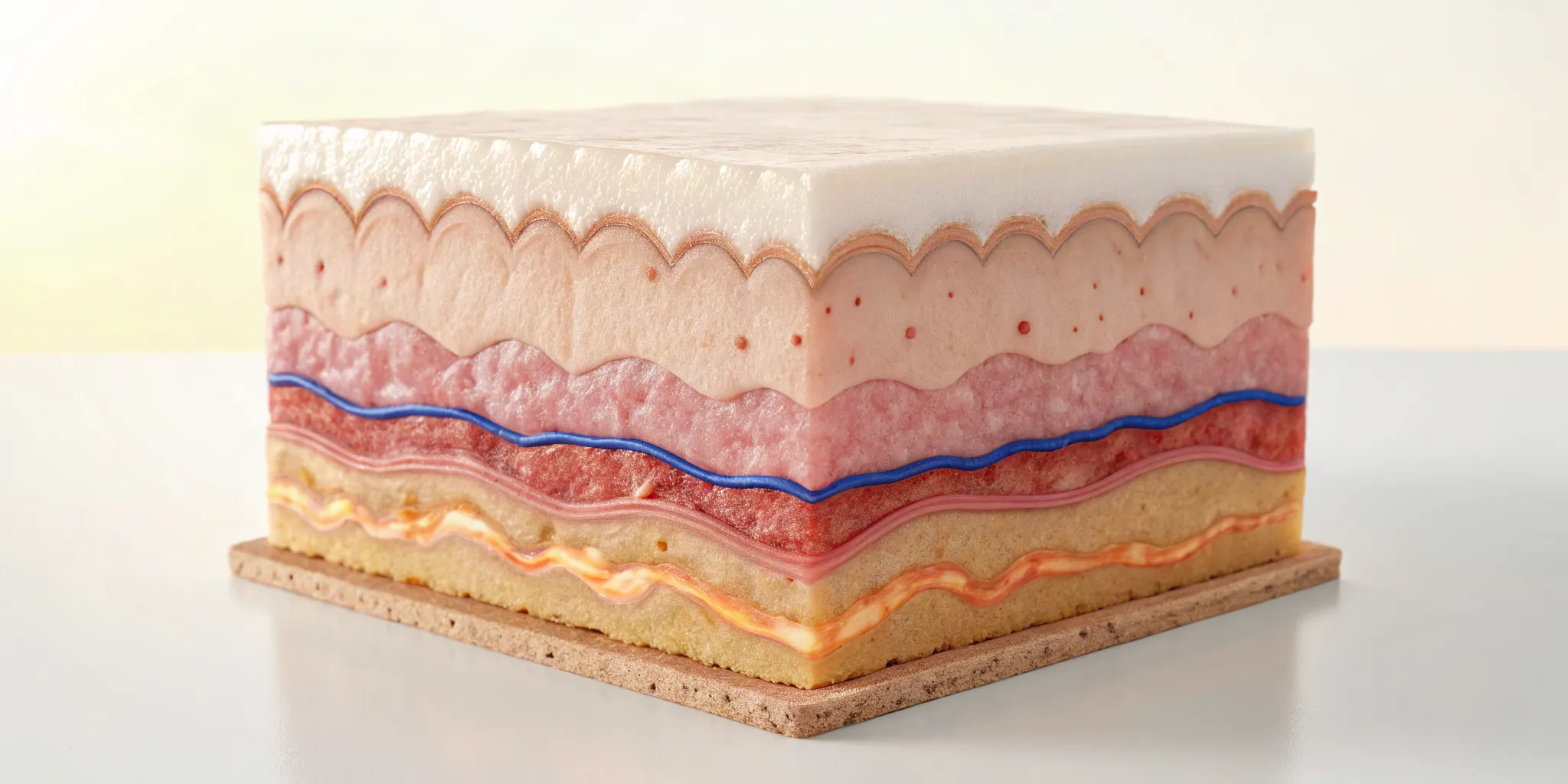
Every client concern, from fine lines and hyperpigmentation to loss of volume, can be traced back to a specific change within the skin’s architecture. A dull complexion often points to slowed turnover in the epidermis. Wrinkles and laxity signal a breakdown of collagen and elastin in the dermis. A hollowed appearance is a direct result of thinning in the hypodermis. By approaching diagnostics through this framework, you can pinpoint the exact origin of the problem. This guide provides a detailed map of the layers of skin, exploring how each one functions and what happens when its health is compromised, giving you the knowledge to solve your clients’ most challenging skin issues effectively.
Key Takeaways
- Treat Skin From the Inside Out: Effective treatments require knowing how each layer functions, from the epidermis’s protective barrier and the dermis’s collagen framework to the hypodermis’s foundational fat pads.
- Connect Client Concerns to Their Source: Pinpoint the root cause of skin issues by identifying which layer is affected; for instance, dullness is an epidermal problem, wrinkles are a dermal issue, and volume loss relates to the hypodermis.
- Use Data to Create Targeted Plans: Advanced skin imaging reveals hidden damage below the surface, providing the data you need to recommend specific procedures like microneedling or hydradermabrasion with complete confidence.
What Are the Three Main Layers of the Skin?
To truly help your clients achieve their skin goals, a solid understanding of the skin’s structure is essential. It’s not just about what we see on the surface. The skin is a complex organ with three distinct layers, each with its own unique functions and challenges. Knowing how the epidermis, dermis, and hypodermis work together is the first step in identifying the root cause of a client’s concern and choosing the most effective treatment path. Let’s break down what each layer does.
The Epidermis
Think of the epidermis as your skin’s first line of defense. It’s the outermost layer you can see and touch, acting as a waterproof shield that protects the deeper layers from environmental aggressors and germs. This layer is in a constant state of renewal, with new cells being created at its base and pushing their way to the surface in a cycle that takes about 30 days. The epidermis is also home to melanocytes, the cells that produce melanin and give skin its unique color. Treatments like hydradermabrasion work beautifully on this layer to exfoliate dead cells and reveal a brighter, smoother complexion.
The Dermis
Just beneath the epidermis lies the dermis, the skin’s structural hub. This middle layer is a dense network of connective tissue, primarily made of collagen for strength and elastin for flexibility. These two proteins are what give skin its firm, youthful bounce. The dermis also contains hair follicles, oil glands, sweat glands, and a web of nerves and blood vessels that supply nutrients to the epidermis. When we talk about addressing fine lines, wrinkles, and scarring, we’re often targeting the dermis. This is where treatments like microneedling come in, creating micro-injuries to stimulate the production of new collagen and elastin, effectively rebuilding the skin from within.
The Hypodermis
The deepest layer of the skin is the hypodermis, or subcutaneous tissue. Composed mainly of fat and connective tissue, its primary role is to act as a cushion, protecting your muscles and bones from injury. This fatty layer also provides insulation to help regulate body temperature and serves as an energy reserve for the body. The hypodermis is what anchors your skin to the underlying muscle and bone, giving your face and body its contour. While many topical treatments don’t reach this deep, understanding its role is crucial for a holistic view of skin health, which can be visualized with advanced skin imaging systems.
A Deeper Dive into the Epidermis and Its Sublayers
The epidermis is far more than just what you see on the surface. It’s a dynamic, multi-layered shield that’s constantly renewing itself. Understanding what happens in each of these sublayers is key to selecting the right treatments for your clients and explaining the science behind their results. From the deepest layer where new cells are born to the outermost barrier that faces the world, each one has a critical job. By appreciating this complexity, you can better address concerns like aging, texture, and hydration. Advanced treatments are designed to interact with these specific layers to create visible, lasting change.
Stratum Basale: Where Skin Renewal Begins
Think of the stratum basale as the skin’s nursery. It’s the deepest layer of the epidermis, where brand new skin cells, called keratinocytes, are created. Once formed, these cells begin their journey up to the surface. This layer also houses melanocytes, the cells responsible for producing melanin, which gives skin its color and provides some protection from UV rays. Because this is the starting point for cell regeneration, it’s a primary target for many aesthetic treatments. Procedures like microneedling create micro-injuries that signal the stratum basale to kickstart its renewal process, leading to fresher, healthier-looking skin.
Stratum Spinosum: Providing Strength and Flexibility
Just above the stratum basale lies the stratum spinosum, often called the “spiny layer.” This name comes from the spiny-looking connections, called desmosomes, that hold the keratinocytes tightly together. This structure is what gives the epidermis its strength and flexibility, helping it resist tearing and blistering. The cells in this layer are still alive and metabolically active, contributing to the skin’s overall resilience. When you’re addressing skin laxity or texture, you’re working to support the integrity that begins in this crucial layer. A strong stratum spinosum is fundamental for skin that looks and feels firm and cohesive.
Stratum Granulosum: The Skin’s Moisture Barrier
As keratinocytes move up into the stratum granulosum, they begin to flatten and produce tiny granules filled with proteins and lipids. This is a critical stage where the skin’s protective barrier is formed. These granules release lipids that create a waterproof seal between the cells, preventing water loss and keeping essential moisture locked in. This is also where keratin proteins are bundled together, preparing to form the tough outer layer. When a client has dry, dehydrated skin, it often points to a compromised barrier function in this layer. Treatments like hydradermabrasion help by clearing away dead cells and infusing the skin with deep hydration to support this natural barrier.
Stratum Lucidum: The Clear Protective Layer
The stratum lucidum is a special layer with a unique role. This thin, clear band of cells is found only in the thickest skin on the body: the palms of your hands and the soles of your feet. Its name, which means “clear layer,” comes from the fact that the cells here are densely packed and have lost their nuclei, making them transparent. This layer provides extra protection against friction and pressure in these high-use areas. While it’s not present in the facial skin you typically treat, it’s a great example of how the epidermis adapts to meet the specific needs of different parts of the body.
Stratum Corneum: Your Body’s Outer Shield
Finally, we reach the stratum corneum, the outermost layer of the epidermis and the skin’s first line of defense. It consists of 15 to 30 layers of flattened, dead keratinocytes called corneocytes, all held together by a lipid matrix. This is the barrier that protects the deeper layers from pathogens, pollution, and physical abrasion. It’s also the layer that you directly see and feel. An effective skincare regimen and professional treatments focus on maintaining a healthy, intact stratum corneum. Using advanced skin imaging systems can help you visualize issues like texture, pore size, and superficial damage on this layer, allowing you to create a precise and effective treatment plan for your clients.
What Is the Function of the Dermis?
If the epidermis is the visible surface, the dermis is the busy, high-functioning layer just beneath it. As the thickest layer of the skin, the dermis is a dense hub of activity, providing the structural integrity, nourishment, and sensory feedback that the skin needs to thrive. It’s packed with connective tissues, blood vessels, nerve endings, and the roots of hair follicles. Think of the dermis as the skin’s foundational support system. It houses the essential machinery that keeps the outer layer healthy and resilient.
The dermis is primarily made of a gel-like substance containing two critical proteins: collagen and elastin. These proteins give the skin its strength and elasticity. This layer is also where you’ll find sweat glands that help regulate body temperature and sebaceous glands that produce the skin’s natural oils. When we talk about treatments that create fundamental changes in the skin’s texture and firmness, we are often targeting processes within the dermis. Understanding its functions is key to addressing concerns like aging, scarring, and overall skin health from the inside out. For aesthetic professionals, this layer is where the most transformative work happens, as influencing dermal health can lead to significant and lasting improvements in a client’s appearance.
Collagen and Elastin: Your Skin’s Scaffolding
The dermis owes its youthful firmness and resilience to collagen and elastin. Collagen is the most abundant protein in this layer, forming a dense, fibrous network that acts like scaffolding, providing strength and structure. It’s what keeps the skin firm and robust. Elastin, as its name suggests, is the protein that gives skin its stretch and ability to bounce back after being pulled or pinched. Together, these proteins, produced by cells called fibroblasts, create a durable yet flexible foundation. As we age, production of both proteins slows, leading to fine lines and loss of firmness, which is why so many aesthetic treatments focus on stimulating new collagen through procedures like microneedling.
The Role of Blood Vessels, Nerves, and Glands
Beyond its structural proteins, the dermis is a complex network of vital components. A rich supply of blood vessels runs through this layer, delivering oxygen and essential nutrients to both the dermis and the epidermis above it. These vessels also play a key role in regulating body temperature. Interwoven with the blood vessels are countless nerve endings that connect us to the world, allowing us to feel pressure, pain, heat, and cold. The dermis also contains sweat glands, which release sweat to cool the body, and sebaceous glands, which secrete oil to keep the skin lubricated and protected. Every sensation and nourishing process starts here.
How the Dermis Facilitates Skin Repair
The dermis is central to the skin’s healing process. When the skin is injured, the dermis provides the structural support and cellular resources needed to repair the damage. If a wound is shallow and only affects the epidermis, it can heal without a trace. However, if the injury penetrates the dermis, the body initiates a more complex repair process that often results in a scar. Scars form because the new collagen produced to mend the wound is laid down in a different, more disorganized pattern than the original tissue. This is why scar tissue looks and feels different from the surrounding skin. Advanced skin imaging systems can help you visualize this dermal damage and track the progress of restorative treatments.
The Hypodermis: More Than Just a Fatty Layer
Let’s go beyond the dermis to the deepest layer of your skin: the hypodermis, also known as the subcutaneous tissue. While it’s often simply called the “fatty layer,” its role is far more complex and vital than that name suggests. This layer is the foundation upon which the dermis and epidermis sit. Understanding its functions is key to addressing concerns related to body contouring, volume loss, and overall skin structure. The hypodermis is a dynamic layer of fat and connective tissue that provides insulation, stores energy, and anchors your skin to the rest of your body. It’s the unsung hero that supports the visible layers of skin and plays a major part in the body’s overall shape and resilience.
Insulating and Protecting the Body
Think of the hypodermis as your body’s built-in climate control and protective padding. This deepest layer of skin is primarily composed of fat, which provides essential cushioning and insulation. It acts as a shock absorber, shielding your muscles, bones, and internal organs from impacts and injuries. This fatty layer also plays a crucial role in thermoregulation, helping to conserve body heat in cold environments and keeping you cool when it’s warm. It effectively connects your skin to your muscles and bones, forming a protective barrier that is fundamental to your body’s overall resilience and stability.
Storing Energy and Contouring the Body
The hypodermis does more than just protect; it’s also a critical energy depot and the primary determinant of your body’s contours. This layer is made of fat and connective tissue, which stores energy in the form of lipids within fat cells (adipocytes). When your body needs extra fuel, it can draw from these reserves. The distribution and thickness of this subcutaneous fat also help contour the body, giving it shape and support. This is why changes in the hypodermis, whether from aging or lifestyle, can significantly alter a person’s silhouette, making it a key focus for many aesthetic procedures.
How the Hypodermis Anchors Skin to Muscle and Bone
The hypodermis serves as the vital connection point that holds everything together. It contains fibrous bands of connective tissue that weave through the fat cells, tethering the upper layers of skin to the deeper structures below, like muscles and bones. This network effectively anchors the skin, providing stability while still allowing for movement and flexibility. Without this anchor, our skin would lack structural integrity. As we age, these connective bands can weaken, contributing to skin sagging and laxity, which is why understanding this layer’s mechanics is so important for developing effective treatment plans for your clients.
How Environmental Factors Affect Each Skin Layer
Our skin is in a constant battle with the environment. Factors like sun exposure, air pollution, and even the blue light from our screens contribute to what scientists call the “exposome,” the sum of all environmental exposures throughout a person’s life. This cumulative exposure does more than just cause temporary dryness or a sunburn; it triggers a cascade of biological processes that accelerate aging and damage skin health from the surface all the way down to its deepest layers. Understanding how these external stressors impact the epidermis, dermis, and hypodermis is key to diagnosing client concerns and developing effective treatment plans that deliver real results.
The visible signs of environmental damage, such as fine lines, hyperpigmentation, and loss of elasticity, are often the primary reasons clients seek your expertise. By looking closer at how each layer is uniquely affected, you can better explain the “why” behind these conditions and move beyond surface-level solutions. Advanced tools like skin imaging systems can help you visualize this damage, showing clients exactly what’s happening beneath the surface. This data-driven approach not only builds trust but also allows you to recommend targeted treatments, from topical solutions to advanced procedures that address issues in the specific layers where they originate, ensuring a more comprehensive and effective outcome for your clients.
How UV Rays Damage the Epidermis
The epidermis is the first line of defense, and it takes the most direct hit from ultraviolet radiation. Sun exposure, especially from UVA and UVB rays, is the main cause of accelerated skin aging. This damage disrupts the normal function of melanocytes, leading to uneven pigmentation like sunspots and melasma. It also compromises the stratum corneum, weakening the skin’s barrier function, which can result in dryness, sensitivity, and a rough texture. Even blue light from electronic devices can contribute to oxidative stress in the epidermis. These effects are often the most visible concerns for clients, making treatments that target epidermal renewal, like hydradermabrasion, essential for restoring a clear and even complexion.
The Effect of Sun and Pollution on Dermal Collagen
While the epidermis shows the most immediate signs of damage, the dermis suffers silently underneath. When UV radiation and pollutants penetrate the skin, they generate harmful free radicals that cause oxidative stress. This process directly attacks the structural proteins that give skin its youthful firmness and elasticity: collagen and elastin. Over time, this environmental stress degrades the dermal framework, leading to the formation of wrinkles, fine lines, and sagging skin. Because the dermis is responsible for skin’s resilience, this damage is fundamental to the aging process. This is why collagen-stimulating treatments, such as microneedling, are so effective, as they work within the dermis to help rebuild this essential scaffolding.
How Chronic Inflammation Impacts the Hypodermis
The hypodermis isn’t immune to environmental harm, either. Chronic, low-grade inflammation, often triggered by pollutants and UV exposure, can have far-reaching effects. Air pollution, for instance, is known to create oxidative stress that weakens the skin barrier and promotes inflammation throughout the skin’s layers. This systemic inflammation can impact the health of the adipocytes (fat cells) in the hypodermis, potentially affecting their size and distribution. Over time, this can contribute to a loss of facial volume and changes in contour, which are classic signs of aging. Addressing this deep-seated inflammation is crucial for a holistic approach to skin health and rejuvenation, supporting the very foundation of the skin’s structure.
How the Skin’s Layers Change Over Time
As your clients age, their skin undergoes a series of predictable changes that affect its texture, firmness, and overall appearance. These shifts aren’t just surface-level; they happen deep within each layer of the skin. From the epidermis down to the hypodermis, natural aging processes and environmental factors work together to alter the skin’s structure and function. Understanding exactly what’s happening at each level is key to recommending and performing the most effective aesthetic treatments. By pinpointing the root cause of a client’s concern, whether it’s dullness from slow cell turnover, wrinkles from collagen loss, or sagging from a thinning hypodermis, you can create a more targeted and successful treatment plan. This deeper knowledge allows you to educate your clients with confidence, building trust and ensuring better, more satisfying results.
Slower Cell Turnover in the Epidermis
In youthful skin, the journey for a new cell to travel from the basal layer to the surface takes about 26 to 40 days. This consistent renewal keeps the complexion bright and smooth. As we age, this process slows down considerably. Dead cells linger on the surface for longer, which is why clients often report their skin looks dull, feels rough, or has an uneven texture. This sluggish turnover can also lead to clogged pores and make fine lines appear more prominent. Treatments that gently exfoliate the stratum corneum, like hydradermabrasion, are essential for manually removing this buildup and encouraging the fresh, new cells underneath to come to the surface.
Losing Collagen and Elasticity in the Dermis
The dermis is the skin’s structural foundation, and its integrity relies on a dense network of collagen and elastin fibers. With age, the body’s ability to produce these vital proteins declines. Compounded by a lifetime of sun exposure and other environmental stressors, the dermis can become about 20% thinner. This loss of density is what leads to the most visible signs of aging: wrinkles, sagging, and a general loss of firmness. To address these concerns effectively, you have to go beyond the surface. Treatments that create controlled micro-injuries, such as microneedling, are designed to trigger the body’s natural healing response and stimulate new collagen production right where it’s needed most.
How the Hypodermis Thins and Loses Volume
The deepest layer, the hypodermis, is primarily composed of adipose tissue, or fat. This layer acts as a cushion, provides insulation, and gives the face its youthful contours. Over time, the fat pads in the hypodermis begin to shrink and shift, and the supportive fibrous network that holds them in place weakens. This thinning and descent of fat contributes to a hollowed appearance, particularly in the cheeks and under the eyes, and leads to more prominent sagging in the lower face and jawline. Visualizing these subcutaneous changes with advanced skin imaging systems can help you explain the concept of volume loss to clients and guide them toward the most appropriate contouring and rejuvenation treatments.
Which Skin Conditions Affect Each Layer?
Understanding the skin’s layers is fundamental to diagnosing and treating client concerns effectively. Different conditions originate at specific depths, and their presentation often gives clues about which layer is affected. Knowing whether an issue is epidermal, dermal, or subcutaneous helps you choose the right treatment protocol, from topical solutions to more advanced procedures. This knowledge is the foundation of a targeted and successful aesthetic practice, allowing you to create treatment plans that address the root cause of your clients’ concerns.
Conditions Originating in the Epidermis
The epidermis is our first line of defense, and it’s where many of the most common skin concerns appear. As the layer responsible for cell turnover and pigment, it’s the starting point for conditions like acne, eczema, and psoriasis. Because the epidermis is the outermost layer, issues here are immediately visible. This includes everything from allergic rashes and blisters to more serious concerns like melanoma. Effectively treating these conditions means addressing the cellular processes happening right at the surface, whether it’s managing inflammation, regulating cell production, or protecting against external triggers.
Conditions Originating in the Dermis
When a condition’s roots are in the dermis, you’re often dealing with issues related to the skin’s structural support and vascular systems. The dermis houses collagen, elastin, blood vessels, and nerve endings, making it central to skin health and resilience. Conditions like rosacea, with its characteristic redness and inflammation, stem from this layer. Similarly, dermatitis, hives, and certain infections find their start here, impacting the skin’s strength and elasticity. Addressing dermal conditions often requires treatments that can penetrate beyond the surface to calm inflammation, stimulate collagen, or manage vascular reactivity.
Conditions Originating in the Hypodermis
The hypodermis, or subcutaneous tissue, is the deepest layer of the skin, composed mainly of fat and connective tissue. While less commonly discussed in surface-level aesthetics, conditions originating here can have a significant impact. This layer is where you’ll find issues like lipomas, which are benign fatty tumors, and panniculitis, an inflammation of the subcutaneous fat. Deeper infections like cellulitis can also spread through the hypodermis, causing widespread redness, swelling, and pain. Identifying these conditions requires looking beyond the epidermis and dermis to understand what’s happening in the foundational layer that connects skin to the body.
Best Practices for Maintaining Healthy Skin
Understanding the skin’s intricate layers is the foundation for effective aesthetic care. As a professional, you can empower your clients by reinforcing daily habits that protect their skin’s health and enhance the results of your treatments. These practices are the cornerstones of a comprehensive skincare approach, addressing everything from the epidermis down to the hypodermis. By educating clients on these fundamentals, you help them become active partners in their skin health journey, ensuring longer-lasting outcomes and greater satisfaction with the advanced services you provide.
Protect Your Skin from Sun Damage
Consistent sun protection is the single most effective practice for preventing premature skin aging. We know that UV exposure is the primary culprit behind the breakdown of collagen and elastin in the dermis. This damage leads to the wrinkles, sagging, and hyperpigmentation you work so hard to treat. Encourage your clients to use a broad-spectrum sunscreen with an SPF of 30 or higher every single day, regardless of the weather. This simple habit protects the integrity of the skin’s layers, preserves the results of treatments like microneedling and peels, and is the best defense against long-term sun damage.
Hydrate and Moisturize with Key Ingredients
Healthy, resilient skin starts with proper hydration and a strong moisture barrier. When the stratum corneum is compromised, the skin becomes vulnerable to irritation and transepidermal water loss. Recommend products with ingredients like hyaluronic acid, ceramides, and glycerin to draw in moisture and lock it down. This is especially important after professional services. For example, a client who receives a hydradermabrasion treatment can extend their glowing results by using a supportive at-home routine. A well-moisturized epidermis not only looks plumper and healthier but also functions more effectively as a protective shield.
Encourage Cell Turnover Through Exfoliation
As we’ve discussed, the skin’s natural renewal process slows over time. Encouraging regular cell turnover through exfoliation is key to maintaining a bright, smooth complexion. While professional treatments like microneedling and chemical peels provide powerful, deep exfoliation, at-home care plays a vital supporting role. Gentle exfoliants, such as alpha-hydroxy acids (AHAs) or enzymes, help slough off the dead cells of the stratum corneum between appointments. This prevents buildup, improves product absorption, and ensures the fresh, new skin you reveal during treatments stays visible. Advising clients on the right type and frequency of exfoliation for their skin type is a crucial part of a complete care plan.
Support Skin Health with Diet and Lifestyle
What happens inside the body is directly reflected on the skin’s surface. Factors like air pollution can cause oxidative stress, which damages healthy cells and accelerates aging. You can guide your clients toward a more holistic approach by discussing the impact of diet and lifestyle. A diet rich in antioxidants, vitamins, and healthy fats provides the building blocks for strong collagen and elastin. Likewise, managing stress, getting adequate sleep, and staying hydrated all contribute to the skin’s ability to repair and regenerate itself. This comprehensive advice positions you as a true skin health expert and supports the long-term wellness of your clients.
See What’s Happening Beneath the Surface with Advanced Skin Imaging
Understanding the skin’s layers is one thing, but seeing how they function in real-time for each client is another. As a practitioner, your expertise is your greatest asset, but even the most trained eye can’t see everything. This is where technology can give you a clearer picture, helping you build trust with clients and design more effective treatment protocols. Advanced imaging tools allow you to go beyond a surface-level consultation and show clients exactly what’s happening with their skin health, setting the stage for truly transformative results.
What Can Skin Imaging Technology Reveal?
Modern skin imaging technology acts like an in-depth map for your client’s skin. These systems can reveal a host of conditions that are invisible to the naked eye, giving both you and your client a comprehensive look at their skin health. For example, Emage Medical’s Image Pro® skin imaging systems can precisely measure and visualize issues like hidden sun damage, pore blockages, inflammation, and uneven texture. By showing clients tangible evidence of what’s happening beneath the surface, you help them understand the “why” behind your treatment recommendations. This visual proof builds immediate trust and makes it easier for clients to commit to a recommended care plan.
Using Data-Driven Insights to Refine Treatments
Once you have a clear picture of a client’s skin, you can move away from generalized approaches and toward true personalization. The data gathered from an advanced skin analysis provides the foundation for creating highly specific and effective treatment plans. Instead of relying on observation alone, you can use objective metrics to identify the most pressing concerns and select the ideal modalities to address them. This data-driven method also allows you to track a client’s progress with precision. By comparing scans over time, you can visually demonstrate the effectiveness of your treatments, reinforcing the value of your services and encouraging long-term client loyalty.
Professional Treatments for Deeper Skin Concerns
Many of the issues revealed by skin imaging, like collagen degradation from sun exposure or inflammation caused by environmental pollutants, originate in the skin’s deeper layers. Addressing these concerns often requires more than just topical products. Once imaging identifies deep-seated damage, you can confidently recommend professional services that work on a cellular level. For instance, if a scan shows a loss of firmness, treatments like microneedling can be used to stimulate new collagen growth. If clogged pores and texture are the primary issues, a hydradermabrasion treatment can offer a powerful solution. This targeted approach ensures clients receive the most appropriate and effective care for their unique needs.
Frequently Asked Questions
Why is it so important to know which skin layer a condition affects? Knowing where a skin concern originates is the key to choosing the right tool for the job. Think of it like this: you wouldn’t fix a crack in a building’s foundation by just painting over it. Similarly, a surface-level issue in the epidermis, like dullness, requires a different approach than a structural problem in the dermis, like deep wrinkles. Pinpointing the affected layer allows you to select a treatment that works where the problem starts, leading to more effective, longer-lasting results and happier clients.
Which treatments are best for targeting the different layers? Different treatments are designed to work at specific depths. For the epidermis, procedures like hydradermabrasion are perfect for exfoliating the outer layer, clearing away dead cells, and revealing a brighter complexion. To address concerns in the dermis, such as wrinkles and loss of firmness, you need to go deeper. Microneedling is a great example, as it creates micro-channels that stimulate the production of new collagen and elastin, effectively rebuilding the skin’s support structure from within.
How can I explain something complex like collagen loss to my clients? The best way to explain complex topics is with simple analogies. You can compare the collagen and elastin in the dermis to the springs in a mattress; over time, they lose their bounce, and the surface starts to sag and wrinkle. Using advanced skin imaging is also incredibly helpful. When you can show a client a visual map of their dermal density or sun damage, the concept becomes much more concrete and easier for them to understand.
Is it possible to repair damage in the deeper layers, or are we just treating the surface? You can absolutely influence and repair damage in the deeper layers. While topical products primarily work on the epidermis, advanced treatments are specifically designed to trigger restorative processes in the dermis. Procedures that stimulate the body’s natural healing response, like microneedling, prompt fibroblasts to generate new, healthy collagen. This effectively helps rebuild the skin’s foundational scaffolding, improving texture and firmness from the inside out. It’s not a temporary surface fix; it’s a true rejuvenation process.
What is the single most important thing I can tell my clients to protect their skin from aging? Without a doubt, the most critical piece of advice is to wear a broad-spectrum sunscreen with an SPF of 30 or higher every single day. UV radiation is the primary driver of premature aging because it directly breaks down the collagen and elastin in the dermis. No matter how effective your treatments are, they are fighting an uphill battle without daily sun protection. Reinforcing this one habit will protect your client’s investment in their skin and preserve the results you achieve together.